Event location
Seminars will take place at Seminar Room 218, FHH (Frederik Holsts hus), 12:15-14:00.
Zoom link for those wishing to attend online
Abstract
In Hungary the widespread sugar consumption started at the end of the 18th century thanks to the beet sugar industry. However, it was considered a luxury good in the peasantry until the early 1900s. Sugar consumption of the agricultural society developed indeed after World War 1 by the stepwise emergence of sugary festive dishes and the sugar jam and jelly-making era by the 1920s. For poorer members of the peasant communities consuming sugar outside of high holidays was rare, thus it was not by chance that this less substance became a drug of the folk medicine. While researching the collections of Semmelweis Museum, Library, Archive of the History of Medicine, and the Folk Medicine Archive, it surficed that sugar was also frequently used as a remedy for treating eye diseases such as cataracts and trachoma, in addition to wound healing practices or curing a common cold. This study concerned the role of sugar in the treatment of eye diseases by putting the use of sugar in a new perspective. It seeks answers to questions about why healing superstitions and practices became associated with this sweetening substance.
Bio
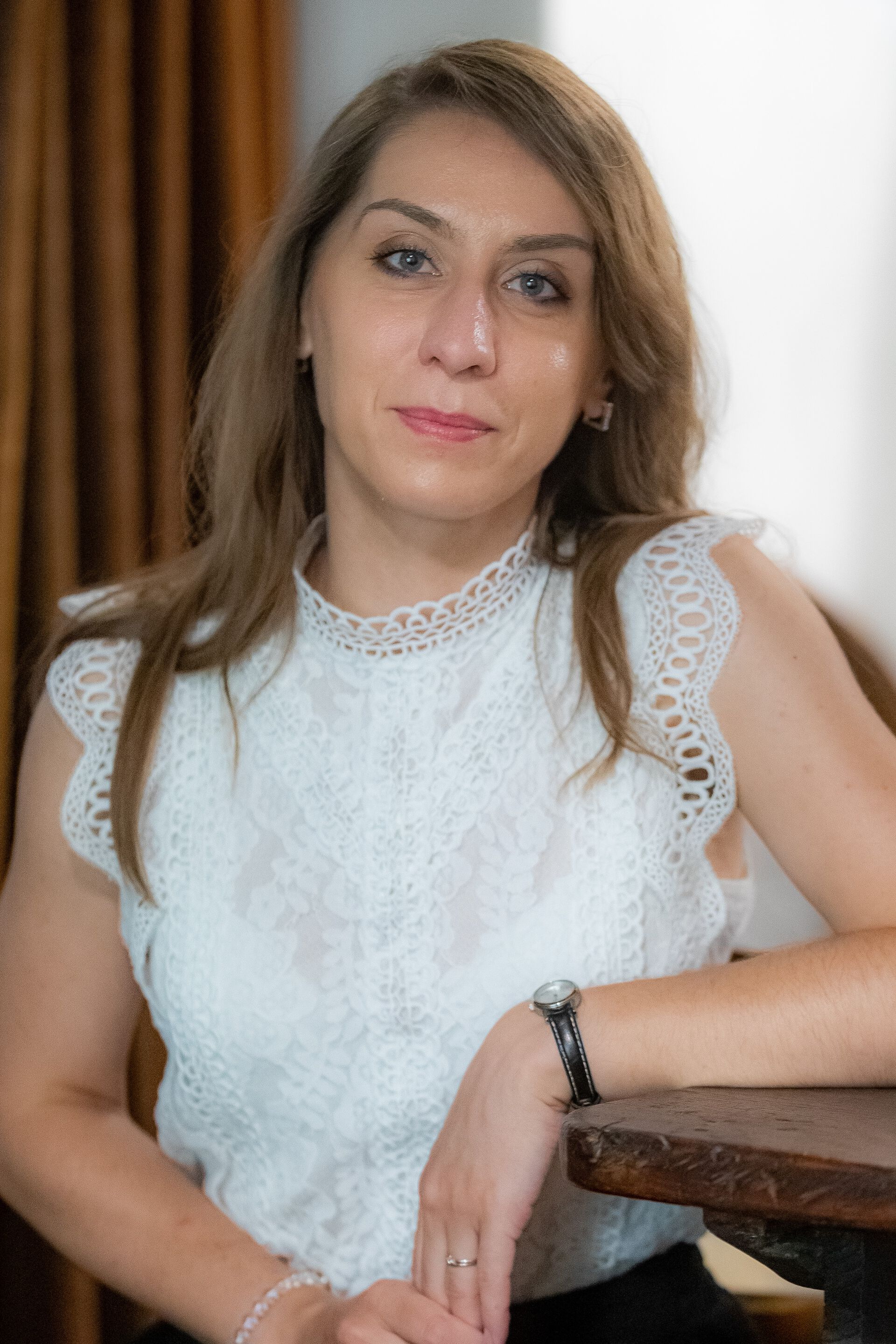
Gabriella Vámos is a senior lecturer at the Institute of Ethnography and Folklore of Eötvös Loránd University, as well as a staff member of the Semmelweis Museum, Library and Archive of the History of Medicine. Her research and publications, both in Hungarian and English, focus on the history of natural medicine, health education, folk medicine, pharmacy history in the 19th-20th centuries, culture and lifestyle, and the history of socialism and the workers’s folklore. As an ethnographer-museologist, she explores the intersections between medicine, culture, and society, with a particular interest in how these domains have evolved over time.