Abstract
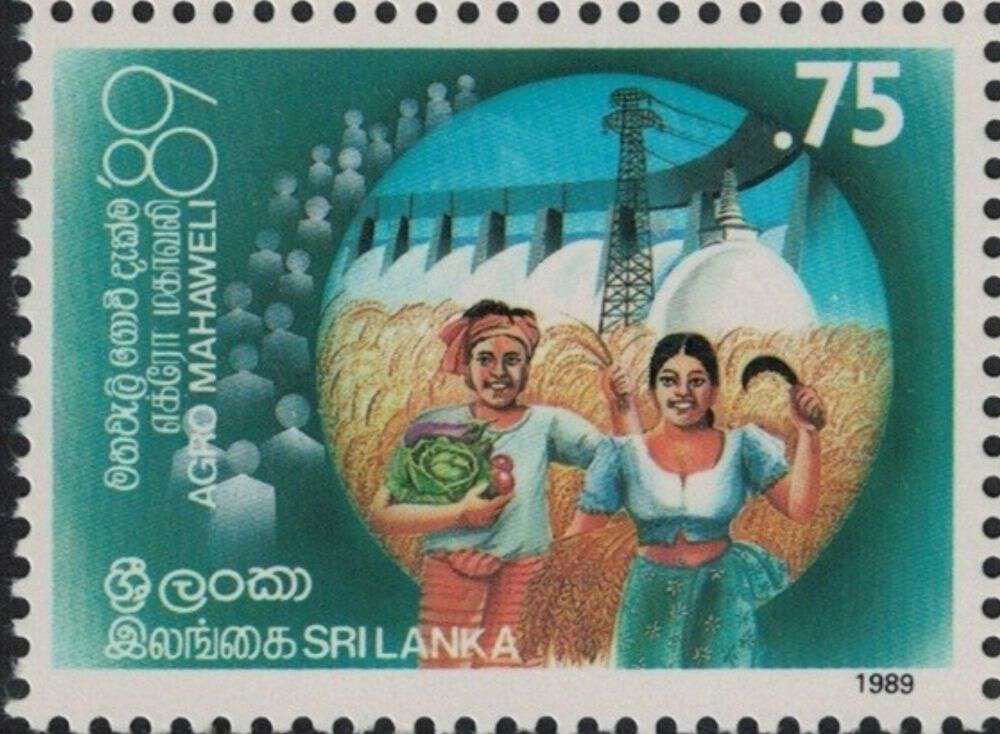
In this talk, Nephrologist N. Nanayakkara discusses his decades-long field experience with Chronic Kidney Disease of uncertain etiology (CKDu) in Sri Lanka's dry zone, and Anthropologist K. Hatsumi examines Japan’s Grant Aid for Increase of Food Production, known as 2KR (Second Kennedy Round; 1977-2004), through which Japan donated agrochemicals to Sri Lanka. The dry zone is where Cold War concerns over food security led to ambitious irrigation and settlement programs alongside the Green Revolution. As tens of thousands of families were relocated from the highland wet zone to newly irrigated lands in the dry zone, CKDu hotspots emerged. Nanayakkara now understands CKDu not as a biomedical case—toxins entering and making changes to human physiology—but rather as a complex outcome of interactions among environmental adversity, people's habitus, and sociocultural disruption; a possible mismatch between human biology, the speed and capacity of human adaptation, and a rapidly transformed environment. As the 1989 postage stamp commemorating "Agro Mahaweli Exhibition" illustrates, Sri Lanka's economic liberalization in 1977 and the Accelerated Mahaweli Development Programme were aimed at transforming the dry zone into the nation's rice bowl with irrigation, hydropower, and mechanized agriculture.
Bio
Nishantha Nanayakkara
Nishantha Nanayakkara is a Consultant Nephrologist at the Teaching Hospital, Kandy, Sri Lanka, and a Visiting Lecturer at the University of Peradeniya. His research focuses on chronic kidney disease of uncertain etiology (CKDu), combining clinical care with multidisciplinary research through collaborations with national and international partners, including National Institute of Health (GoSL) and Stanford-supported projects. He also oversees specialist renal clinics in CKDu-affected rural communities while serving as an advisor to the Ministry of Health on CKDu.
Kaori Hatsumi
Kaori Hatsumi is an anthropologist who has worked extensively with Tamil-speaking fishing communities during and in the immediate aftermath of Sri Lanka's civil war. Her books include Hallelujah Fishers: An Ethnography of War and Faith in a Tamil Fishing Village (2021, in Japanese). She is the PI of a JSPS research project that explores, in collaboration with local filmmakers, the trajectories of Japan’s ODA and Sri Lanka's Mahaweli Development Programme.