This workshop, hosted by the UiO projects «Epidemics and African Health Systems: Covid-19 in Kenya» and «Epidemic Traces», is aimed at academics who work on the state, health and epidemics, historians and anthropologists who work on traces and remains, social scientists who work in an African context (or with epidemics), global health actors, and the Norwegian Institute of Public Health (FHI).
Program
Thursday June 18th
9.00-9.10: Welcome by Jens Petter Berg, Vice Rector for Life Sciences and Health, UiO
9.15-9.30: Introduction to the workshop and its theme: Jacinta Victoria S. Muinde. Chair: Professor Erick Nyambedha, Acting Vice-Chancellor, Maseno University
9.30-10.45: Keynote: Covid Did Not End: Long Covid and the Remains of an Epidemic in Kenya by Edna N. Bosire, Aga Khan University, Nairobi.
10.45-11.15: Coffee
11.15-12.00: ‘Corona is over’: Temporalities and material afterlives of the Covid-19 pandemic in Kenya by Victoria Jacinta Muinde, University of Oslo
12.00 - 13.00: Ebola across borders: Configurations of preparedness in Kenya during the 2022-3 EVD outbreak in Uganda by Hannah Brown, University of Durham
Lunch from 13.00-14.30
14.30- 1600: Keynote & African anthropology seminar: “We grew up coming here”: Cattle Dipping Tanks and the Making of Veterinary Futures in Zimbabwe by Perseverance Madhuku, Bayreuth University (chaired by Wenzel Geissler)
Friday June 19th
9.00-9.15: Summary of previous day and themes: Ruth Prince
9.15-10.00: Living Through Epidemics: Women’s Bodies, HIV, and COVID-19 in Western Kenya by Mariam Yusuf, University of Nairobi/University of Oslo
10.00-10.45: Ambivalent Intergenerational Care and the Moral Worlds of HIV Clinics: Living with and Through Epidemics by Inga Haaland, University of Oslo
10.45-11.15: Coffee
Chair: Dr Steve Munga, KEMRI, Kenya Medical Research Institute
11.15-12.00: “Covid drives women to old ways of birthing” (The Standard, April 2020). by Wenzel Geissler, Ruth Prince, Biddy Odindo, Erick Nyambedha, Cynthia Wangamati
12.00-12.45: “It was an eye-opener”: Remembering the pandemic with state health workers in Kenya by Ruth Prince & Wenzel Geissler with Jacinta Victoria S. Muinde, Cynthia Wangamati, Inga Haaland, Stephen Munga, Erick Nyambedha
12.45-13.30: Roundtable discussion with Professor Erick Nyambedha, Maseno University & Dr Stephen Munga, Kenya Medical Research Institute
List of Abstracts
Keynote 1: Covid Did Not End: Long Covid and the Remains of an Epidemic in Kenya.
Edna N Bosire, Aga Khan University, Nairobi (with Lucy W Kamau, Emily Mendenhall)
The World Health Organization’s 2023 declaration that Covid-19 was no longer a global health emergency signaled a return to normalcy and the symbolic end of the pandemic. Yet for many people living with Long Covid, the epidemic did not end. Our work explores Long Covid as an “epidemic remainder” — an enduring bodily, social and moral afterlife of Covid-19 in Kenya. Moving beyond biomedical understandings of Covid-19 as a discrete event, we examine how the pandemic persists through chronic illness, stigma, uncertainty and altered social relations.
This study draws on ethnographic research conducted in Kenya between 2023 and 2025 with 23 people living with Long Covid. Through in-depth interviews and ethnographic observation, we explored participants’ everyday experiences of illness, care-seeking, work, family life and social interactions, alongside their navigation of formal healthcare systems, informal therapies and online support spaces.
Participants described persistent fatigue, breathlessness, pain, cognitive difficulties and emotional distress long after acute infection. Many encountered disbeliefs from clinicians, employers and family members, reflecting uncertainties surrounding the legitimacy of Long Covid. Experiences of stigma are frequently intersected with older histories of HIV/AIDS, with participants fearing they would be perceived as HIV-positive because of chronic illness, weakness or weight loss. In response to fragmented care systems, participants experimented with treatments and sought recognition through informal and online support networks. Our findings suggest that epidemic remains are not confined to biological residues alone but sediment into bodies, memories, infrastructures and everyday life.
Long Covid disrupts linear understandings of epidemics as crises with clear beginnings and endings. In contexts shaped by overlapping burdens of chronic illness and precarity, epidemics may not disappear but instead become woven into ordinary life in quieter, less visible ways. Long Covid raises broader questions about whose suffering continues to matter after emergencies officially end, and what forms of illness remain unseen when societies move on from crisis.
‘Corona is over’: Temporalities and material afterlives of the Covid-19 pandemic in Kenya
Jacinta Victoria S. Muinde, University of Oslo
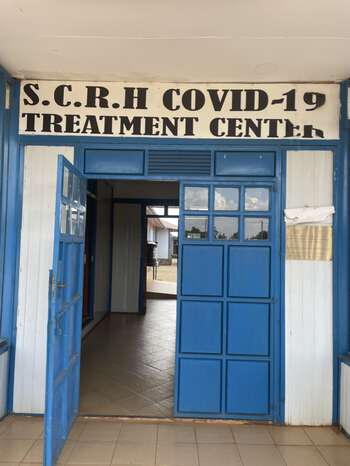
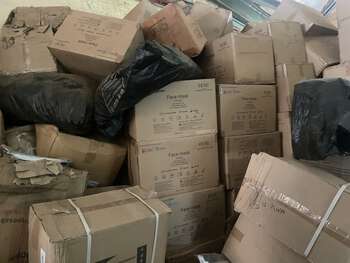
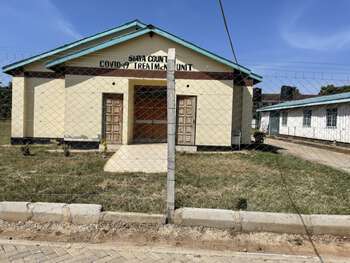
After what most Kenyans experienced as the “end of Covid” in 2021-2, the material remains of anti-epidemic measures as well as biological traces such as long covid and memories of deaths of family members and friends stayed on. While the infection itself had – seemingly – left few visible material traces, the paraphernalia of its control – masks, tests, handwashing stations, and attendant routines – proved more durable, although they often lost or changed their function and meaning. In this paper, we attend to some of the residues left behind by Covid-19 in western Kenya, examining their present state and use (if any), exploring the meanings they are given by people living among them, and observing the process in which they disappear or sediment among the leftovers of other on-going or past epidemics that litter the landscape of western Kenya, shaping future pathways in unpredictable ways. In doing so we reflect upon the afterlives of epidemics, in Kenya and elsewhere.
Ebola across borders: Configurations of preparedness in Kenya during the 2022-3 EVD outbreak in Uganda
Hannah Brown, Durham University
This paper reflects on my personal experience of being drawn into preparedness response activities in Kenya during an outbreak of Ebola that was taking place across the border in Uganda in 2022-3. Taking forward recent anthropological insights about epidemic memory, I describe the kinds of prior experience that came to shape Ebola preparedness activities in Kenya at this time, including how these interfaced with my own experience of working as an anthropologist during the 2014-16 EVD epidemic in West Africa. My analysis moves away from understandings of preparedness as set of technical and bureaucratic responses and epidemic memory as primarily a condition of individuals and communities. In the view from the borderlands of an epidemic, I describe how preparedness was itself constituted by epidemic memories of different kinds; emerging for some people – including myself – as a tangible, embodied fear for safety; for others, as a technocratic sales pitch; and for others, as nothing – the epidemic across the border barely registered. This analysis opens up our thinking to explore preparedness as something undertaken by individuals, as much as institutions, and of epidemic memory as characterised by institutional form as well as individual and community experience.
Living Through Epidemics: Women’s Bodies, HIV, and COVID-19 in Western Kenya
Mariam Yusuf, University of Nairobi/University of Oslo
Epidemics are often given endings they do not actually have. In western Kenya, HIV gradually became folded into the administrative rhythms of chronic disease management following the scale-up of antiretroviral treatment in the 2000s. Yet the ordinary remained saturated with what had come before, the losses, moral judgements, and interventions that reshaped bodies and social relations in their passage. When COVID-19 arrived in Khwisero, it did not encounter a blank slate. It encountered people still living through an epidemic that had never fully disappeared but had instead become normalized and politically backgrounded.
This presentation explores epidemic continuity as both an ethnographic reality and an analytical problem. Drawing on long-term fieldwork among women in Khwisero during the COVID-19 pandemic, I examine how HIV and COVID-19 became entangled within intimate terrains of reproductive anxiety, kinship obligation, moral surveillance, and accumulated experiences of biomedical intervention. Focusing on vaccine rumours and infertility fears, I argue that these narratives were not simply failures of public health communication but emerged through historically layered experiences in which new interventions were interpreted through older epidemic histories and reproductive uncertainties.
I am particularly interested in how women’s bodies became key sites through which epidemic continuities were experienced, negotiated, and at times refused, and in what these continuities reveal about the tensions between biomedical time and lived time in postcolonial African health landscapes.
Ambivalent Intergenerational Care and the Moral Worlds of HIV Clinics: Living with and Through Epidemics
Inga Haaland, University of Oslo
This presentation examines what it means for families to live with and through epidemics and crisis, focusing on ambivalent intergenerational care among people born with HIV in Kisumu, western Kenya. Taking HIV as a long running epidemic rather than a bounded event, the paper explores how family relations, care practices, and moral responsibilities have been shaped over time through stigma, clinical care, and global health interventions. Supported largely through donor funded comprehensive care programmes, clinics provided not only biomedical treatment but also social care, material support, and long term relationships with health workers. For many participants, the clinic became a place of belonging that helped make daily life with HIV possible.
The paper also foregrounds the ambivalence and pain of intergenerational care. Practices intended as protective, such as delayed disclosure of HIV status, strict treatment regimes, and reliance on clinic based support, often generated conflict, resentment, shame, and emotional distance within families. Several participants described growing up without knowing their diagnosis and later experiencing anger towards parents, feelings of betrayal, or struggles around trust and responsibility. Clinics frequently became sites where these tensions were negotiated, absorbing the emotional labour of disclosure, adherence struggles, and fractured family relations. Situating these experiences within the withdrawal of donor funding and the dismantling of comprehensive HIV care clinics, the paper argues that living with HIV has meant living through successive crises whose effects accumulate across generations. This material highlights how the afterlives of HIV persist not only in institutions, but in family relations, moral expectations, and unresolved emotional legacies of care.
“Covid drives women to old ways of birthing” (The Standard, April 2020). Reflections on birthing in western Kenya, occasioned by the Covid-19 pandemic
Wenzel Geissler, Biddy Odindo, Erick Nyambedha, Cynthia Wangamati, Ruth Prince
The advent of Covid-19 in March 2020, and the Kenya government’s strict countermeasures restricting mobility triggered fears that expectant women, among other vulnerable groups, would be unable to access health services and thus “return” to deliver at home with “unskilled” or “traditional” assistance, jeopardizing slow but significant progress in maternal health provision, measured by facility birth and skilled birth attendance rates. Available, albeit lacunary, evidence suggests that such a dramatic reversal in the shadow of a new epidemic might not have occurred. Although facility access was periodically obstructed, and in spite of health worker strikes and the botched introduction of a new health insurance tool, women seem to prefer hospital over homebirth and avoid giving birth alone or at home, and this pattern seems to have continued before, during and after the Covid epidemic.
In this paper we reflect on this narrative of home-birthing’s disappearance or return, and the underlying idea of unskilled birth as a threat emanating from the unchanged community, by examining some recent and longer-term changes around birthing in and around a village in western Kenya. Beyond the question of the pandemic’s effect on maternal health, we propose to look more closely at fundamental changes in rural women’s lives and social relations, which have made homebirth a less viable option over the past two decades, albeit probably never to the extent suggested by official statistics. While biomedical maternal health provision doubtlessly improved during this time, we suggest that the long-term trend towards hospital birth, which Covid did not reverse, may rather be linked to fundamental changes in kinship, marriage and residency patterns affecting what we refer to as ‘reproductive sociality’. The effects of these societal and economic changes’ on especially young women’s well-being, including maternal health, deserve further scrutiny beyond the binary home-vs.-facility birth favoured by maternal health metrics.
“It was an eye-opener”: Remembering the pandemic with state health workers in Kenya
Ruth Prince & Wenzel Geissler with Jacinta Victoria S. Muinde, Cynthia Wangamati, Inga Haaland, Stephen Munga, Erick Nyambedha
During the first months of the Covid-19 pandemic, it appeared that the world had changed for good. Five years later things are back to “back to normal”. In November and December 2025, our project group brought together key health system actors in Siaya County, where Kenya’s first Covid deaths occurred, to share their recollections in the form of “witness workshops”. These were people who had worked closely together on the government’s anti-epidemic response and they responded enthusiastically to the call. For many, this was the first opportunity to reflect upon and relive the ‘epidemic time’, its anxieties and achievements, its moments of working together, its solidarities and conflicts, the changes it brought, and its lasting effects. Bringing together professional groups ranging from county health management teams to community health workers, doctors and nurses, public health officers and disease surveillance officers – groups who had all worked closely and intensely together during the pandemic— we opened up conversations between participants. In this way, we gathered stories told from different perspectives and positions within Siaya county, and at the same time learned about the social process of (collective) remembering.
In this paper, we explore recurring themes in these long conversations. Predominant initial experiences were of confusion and threat, personal challenge and institutional weakness, but also of power and authority. Participants talked of a strong sense of responsibility and pride, inventiveness and collective action and had strong recollections of cross-cutting solidarities. The conversations also shed light on hiearchies and relations between health actors and “community”, on the one hand, and between government health people and the state on the other. We also learned about issues of inequality and class that the pandemic accentuated, and about the legacies that, according to the participants, the pandemic and its control left behind.
We reflect upon how our approach, gathering people who had worked together in a discrete geographical and institutional space and at an intense time, shapes formations of memory and narration. Approaching the material gathered in these “witness workshops” as a partial, fragmentary elicitation of the past in the present – a retelling of past crafted in the present, for a particular audience – we ask what this tells us about how epidemics remain, what legacies they have and how they are remembered and narrated.
Keynote 2: “We grew up coming here”: Cattle Dipping Tanks and the Making of Veterinary Futures in Zimbabwe
Perseverance Madhuku, Bayreuth University
This keynote by historian Dr Perseverance Madhuku continues our workshop themes of epidemic remains and their material traces in African landscapes. It will double up as the African Anthropology seminar in the afternoon of Thursday 18th June.
How do ordinary people live and reckon with enduring traces of veterinary interventions in their everyday lives? Cattle dipping emerged in the early twentieth century as a colonial response to the threat of tick-borne diseases. Through compulsory dipping, often enforced with fines, cattle dipping became instrumental to governing both animal health and rural life. Today, dilapidated cattle dipping tanks with cracked walls, fractured concrete basins, flaking paint and rusty gates are a common sight across the Zimbabwean rural landscape. The bare ground around these tanks bears the imprint of acaricide exposure, a stark reminder of how protection turns toxic. This paper explores how dip supervisors, extension officers, and villagers sustain dipping tanks amid ongoing material decay and practical challenges. Instead of focusing solely on what “lives on,” I pay attention to how such “living on” occurs with its modalities, mechanisms, processes, and translations. Dipping tanks mediate layered histories of human-animal interactions, local conflicts, obligations and international partnerships. I draw on fragmented yet entangled narratives in which villagers connect dipping tanks to layers of scarring that continue to shape the contours of their lives. The dipping tank emerges as a site of dreams and hopes, violence and disappointment, as well as obligations of the present and anticipation of possible veterinary futures.
Background
The covid-19 pandemic was an unprecedented event with repercussions not only on health but on economies and politics globally, decimating livelihoods, disrupting global economies, and eroding trust in political institutions. At the same time, compared with other epidemics (whether in the past or still-ongoing), the covid-19 pandemic itself, and the threat it posed to health and lives, lasted a comparatively brief period, from its emergence in January 2020 to the WHO declaration in May 2023 that the pandemic was no longer a global health emergency (even though people were still contracting, suffering and dying from the disease). Still, Covid remains, whether in forms of chronic living with ‘long covid’, in memories and experiences of loss, or in the political faultlines it left behind.
As the first global pandemic for a century, covid-19 triggered responses such as: “things will have changed” and “things will never be the same”, but the sense of total change disappeared faster than expected – very quickly things got back to normal. So, if the pandemic (apparently) disappears so quickly, what remains? What is it that stays with us – in individual memories, in relations that were realigned, in structures or processes that were changed, in material technologies and objects, bodies and landscapes, faultlines and conflicts that were brought to the open, distributions of trust, forms of preparedness, and ways of thinking about epidemics?
Taking its starting point in our research on the remains and afterlives of covid-19 in Kenya, but thinking beyond covid to the continued presence, traces and remains of other epidemics in Africa, this workshop reflects on epidemic temporalities, whether epidemics end and how they might overlie and intersect with other epidemics and health problems, as well as on epidemic remains, afterlives and legacies, ways of remembering and forgetting, and the forms that memory might take. We also attend to ways of “living through” epidemics and their remains, asking how epidemics and anti-epidemic responses are folded into everyday life, social relations and practice, bodies, biologies and relations, and the transformations they may affect at different scales. Finally, we ask how anthropologists and historians study such questions, what perspectives ethnographic research might offer, and how other social scientists as well as public health researchers and scientists might collaborate in the study of epidemics and their remains.
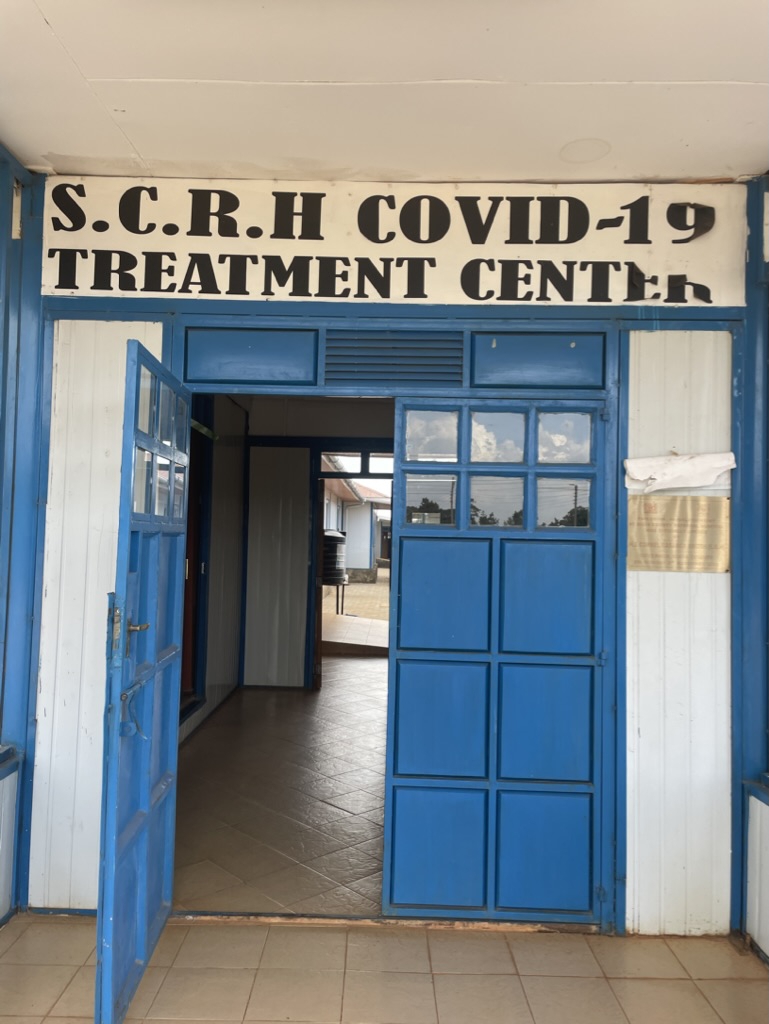
Photo: Jacinta Victoria Syombua Muinde
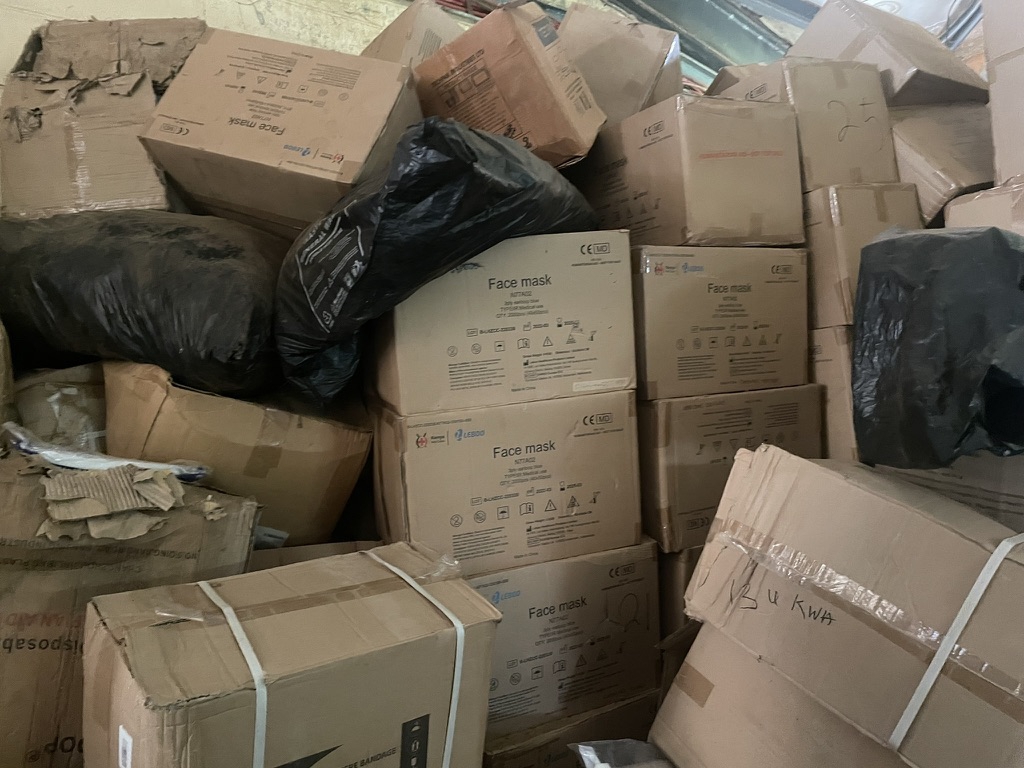
Photo: Jacinta Victoria Syombua Muinde

Photo: Jacinta Victoria Syombua Muinde
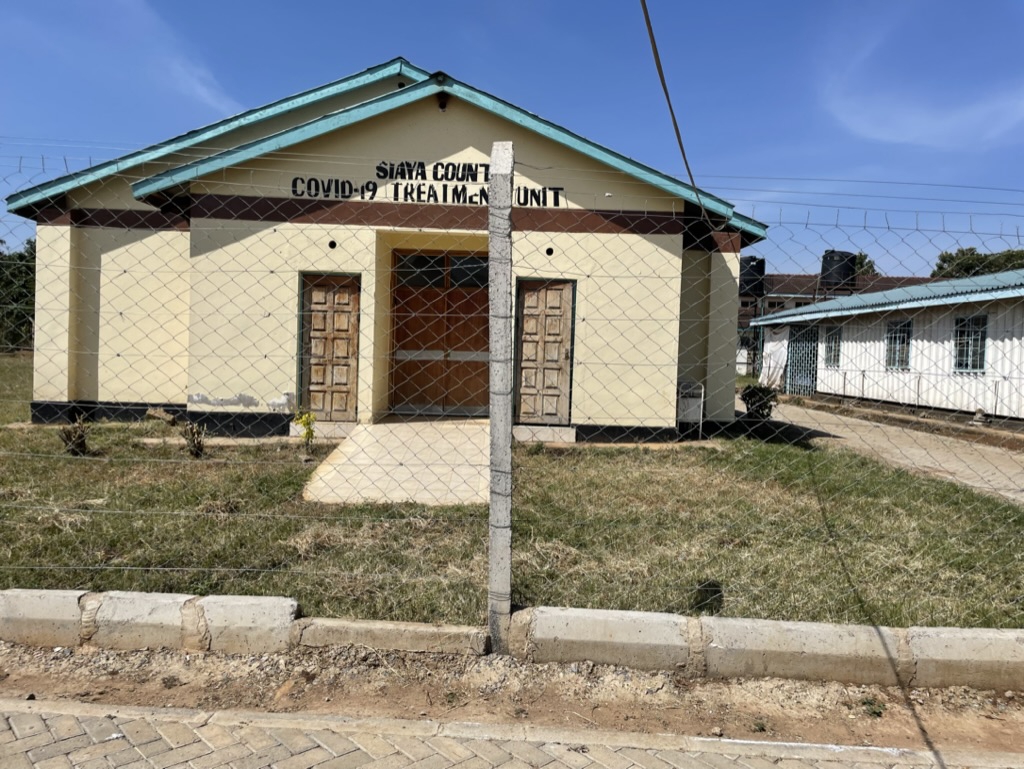
Photo: Jacinta Victoria Syombua Muinde