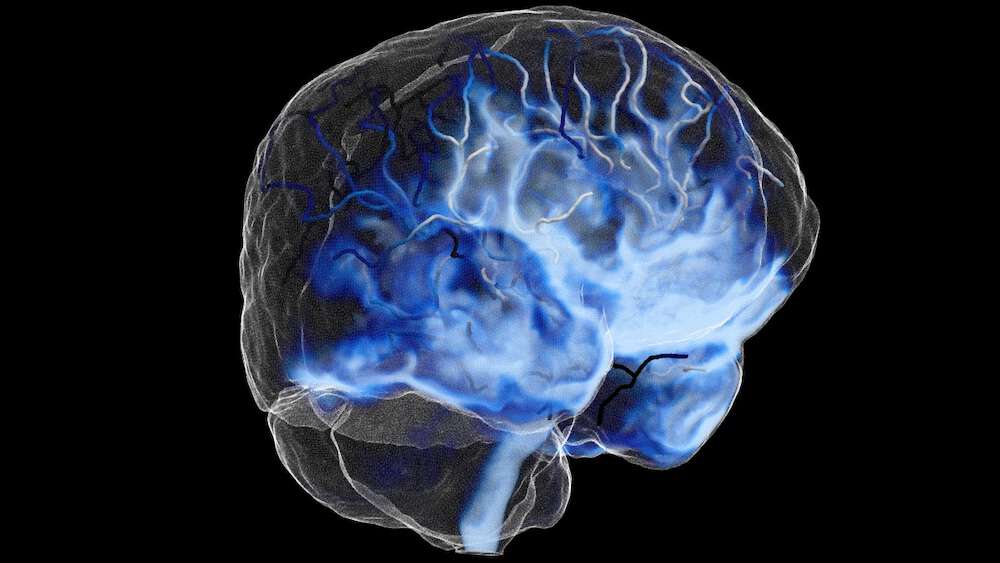
The brain is one of the most complex organs in the human body. It is surrounded by a clear fluid called cerebrospinal fluid (CSF), which circulates through cavities within the brain and around its surface. This fluid protects the brain and is thought to play an important role in clearing waste products.
In neurological diseases such as Alzheimer's and Parkinson's, abnormal proteins can accumulate in the brain. Researchers are therefore interested in understanding how substances are transported through the brain and what happens when these processes are disrupted.
The new model allows researchers to investigate different hypotheses and compare how various mechanisms influence the transport of substances. In the longer term, such models may contribute to a better understanding of the brain's fluid system and its potential role in neurological diseases.
The study primarily introduces a new research tool. It does not demonstrate a new treatment or establish a direct link between a specific transport mechanism and disease.
International Recognition
The study was published in Nature Communications, an internationally recognised scientific journal known for its high standards of scientific quality and significance.
The research was conducted by Marius Causemann, Miroslav Kuchta, Rami Masri and Marie E. Rognes, through a collaboration between Simula Research Laboratory in Norway and Brown University in the United States, with affiliations to the K.G. Jebsen Centre for Brain Fluid Research at the University of Oslo.
An important outcome of the study is that the researchers have made the framework openly available. This enables other research groups to use the model to investigate how fluids and dissolved substances are transported within the brain.
The publication represents an important contribution to international research on the brain's fluid system and demonstrates how mathematics, medical imaging and advanced computational modelling can help advance our understanding of the human brain.
Read the full research article in Nature Communications.