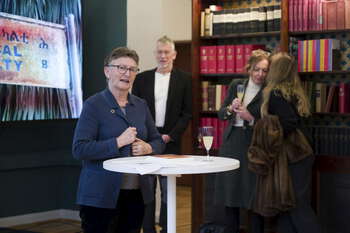
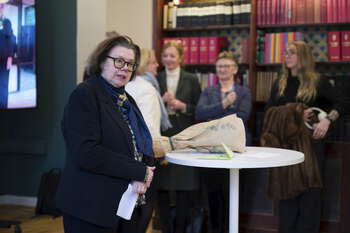
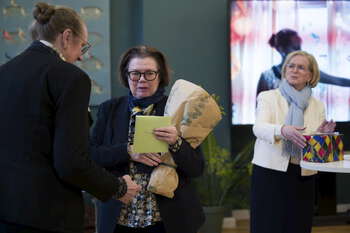
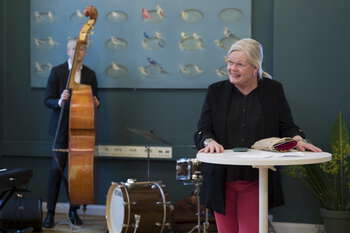
Trained as a physician and epidemiologist, Jeanette H. Magnus has combined clinical experience with a sustained commitment to uncovering and addressing health inequalities related to gender, ethnicity, education and systemic violence. She has held leadership roles in several countries and systems, including as department chair, vice dean and centre director.
At Tulane University in New Orleans, she led one of the U.S. federal Centers of Excellence in Women’s Health, where she helped reframe women’s health from a narrow focus on reproductive organs to a broader question of equity, access and rights across the life course. Colleagues there credit her with strengthening global partnerships, integrating women’s health into mainstream public health teaching and practice, and mentoring a generation of young researchers.
Returning to Norway, Jeanette H. Magnus became the founding director of the Centre for Global Health at the University of Oslo (UiO). Under her leadership, the Centre helped put women’s health and global health equity firmly on the Norwegian academic and policy agenda, and built close collaboration with Ingeborg K. Haavardsson and Women in Global Health Norway. Together, they have worked to bridge research, advocacy and policy, insisting that women’s health is central to justice, security and sustainable development.
Across her career, Jeanette H. Magnus has:
- led and participated in international research collaborations on non-communicable diseases, women’s health and social determinants of health
-led capacity development projects in several countries and in the Global South
- served on national and international committees and advisory boards
- taught and supervised medical and graduate students for decades
- helped secure and manage major research grants
- consistently used her positions to open space for interdisciplinary work and for younger colleagues.
Those who have worked with her highlight not only her scientific and institutional contributions, but her willingness to challenge complacency, push for practical impact, and connect people across disciplines and borders.
Jeanette H. Magnus's trajectory from clinical medicine to global health leadership illustrates how one career can help shift both what we know about women’s health and what we are prepared to do about it.
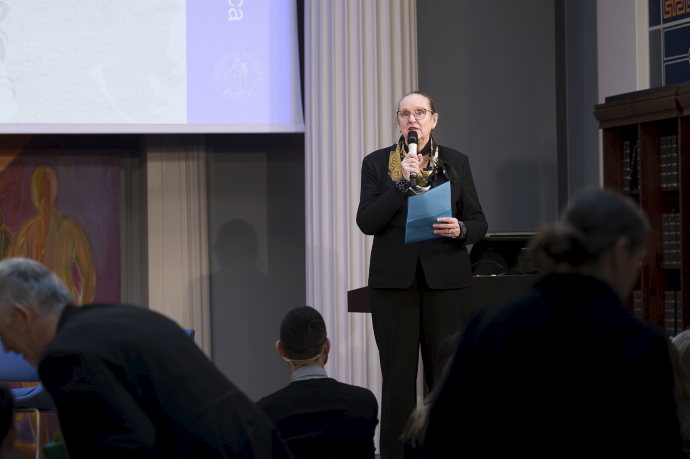
Photo: Ine Eriksen, UiO

Photo: Ine Eriksen, UiO
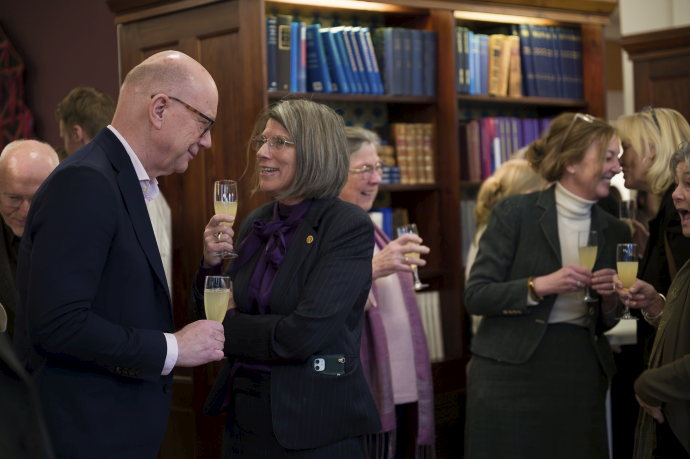
Photo: Ine Eriksen, UiO
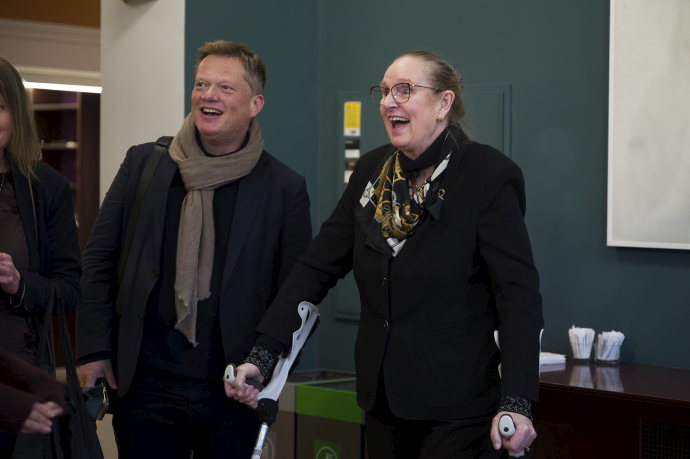
Photo: Ine Eriksen, UiO

Photo: Ine Eriksen, UiO
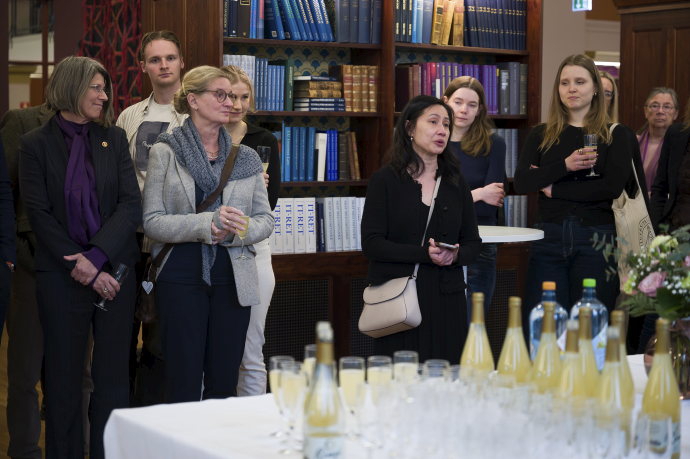
Photo: Ine Eriksen, UiO

Photo: Ine Eriksen, UiO

Photo: Ine Eriksen, UiO

Photo: Ine Eriksen, UiO
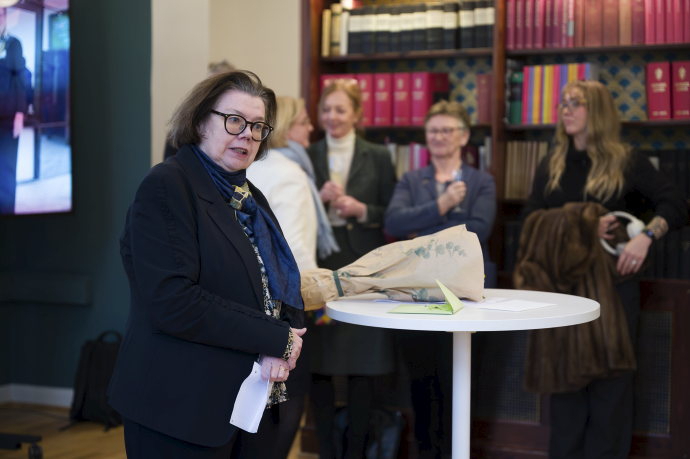
Photo: Ine Eriksen, UiO

Photo: Ine Eriksen, UiO

Photo: Ine Eriksen, UiO
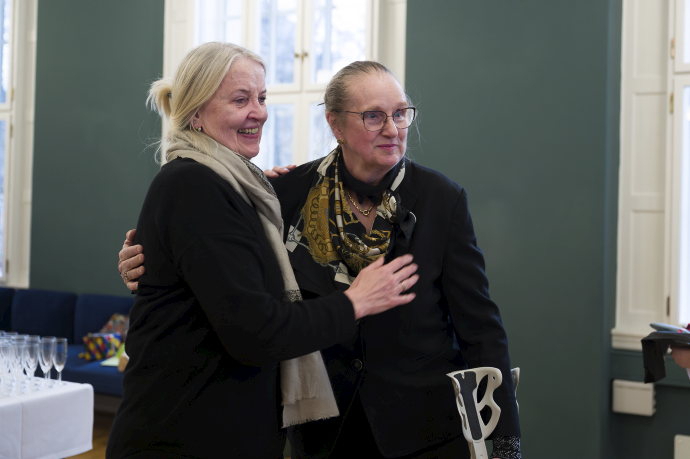
Photo: Ine Eriksen, UiO
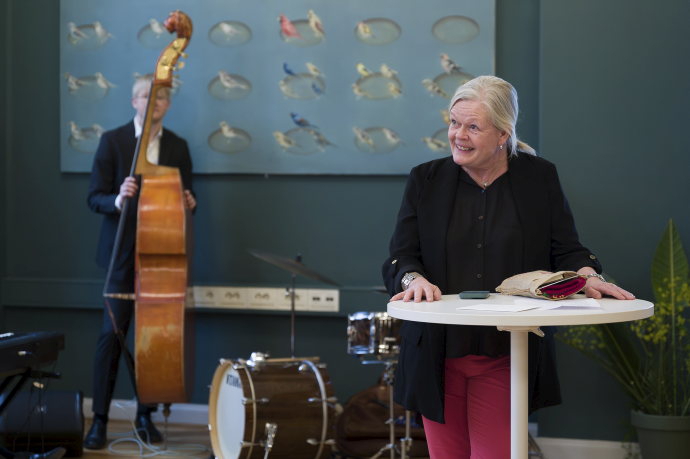
Photo: Ine Eriksen, UiO
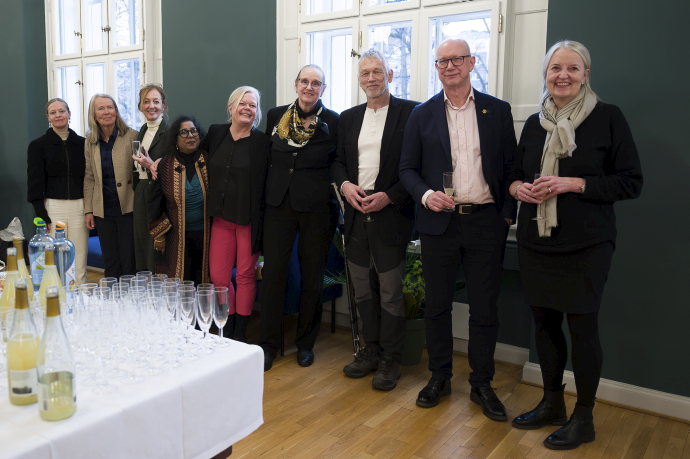
Photo: Ine Eriksen, UiO