Natural Killer cells, often called NK cells, are part of the immune system's first line of defence. They continuously patrol the body and have a unique ability to quickly detect and eliminate cancer cells and virus-infected cells, without having to be "trained" in advance. It is exactly this property that makes NK cells very attractive as a basis for new cancer treatments.
Nevertheless, it has been demanding to transform the cells’ biological strength into effective and long-lasting medicines.
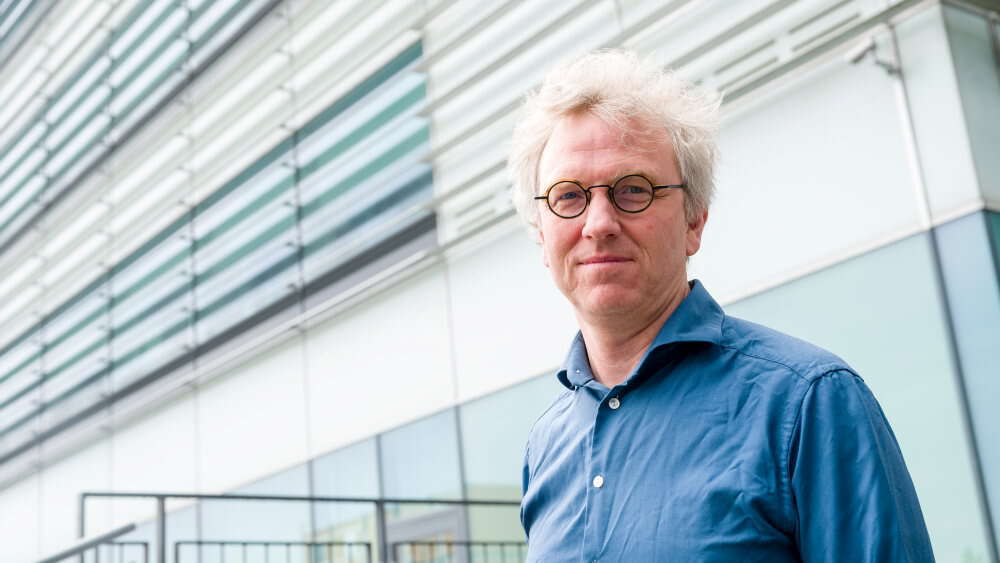
With the new FRIPRO project, Professor Karl-Johan Malmberg will explore the fundamental mechanisms behind NK cells to make them even better at attacking cancer cells.
He has received 12 million Norwegian kroner (around 1.1 million EUR) from the Research Council of Norway for his project "DESIGNK: Designing a synthetic killer based on a natural template".
“We are very grateful for the continued support from the Research Council for our research,” he says.
Malmberg is also the Centre Director of PRIMA, a centre for outstanding research at the University of Oslo and Oslo University Hospital.
How do we make NK cells better at killing cancer cells?
For many years, Malmberg has been researching the fundamental processes that control the way NK cells function. Now, he is using this knowledge to create NK cells that can do their job better in the inhospitable environment around cancer cells, survive and function longer in the patient, and are better at recognizing and attacking cancer cells more precisely.
Malmberg has a particular focus on developing treatments for various types of aggressive blood cancer and solid tumours that are difficult to treat with current methods. The goal of the research is to be able to develop more standardized treatment that can be administered to many patients.
“If we are successful, this research will make it possible to create more potent NK cells as off-the-shelf products, which can be given as treatment to many more patients,” Malmberg says.
Academic risk advances the field
The project is under the jurisdiction of the University of Oslo and belongs to the Institute of Clinical Medicine. The Oslo University Hospital is a collaborative partner.
Dag Kvale, head of the institute, congratulates Malmberg. “Researcher-initiated projects like this are crucial for outstanding base research to be developed and lay the foundation for future treatment. Long-term support from the Norwegian Research Council makes it possible to take academic risks, advance the field and strengthen the research community's position internationally.”