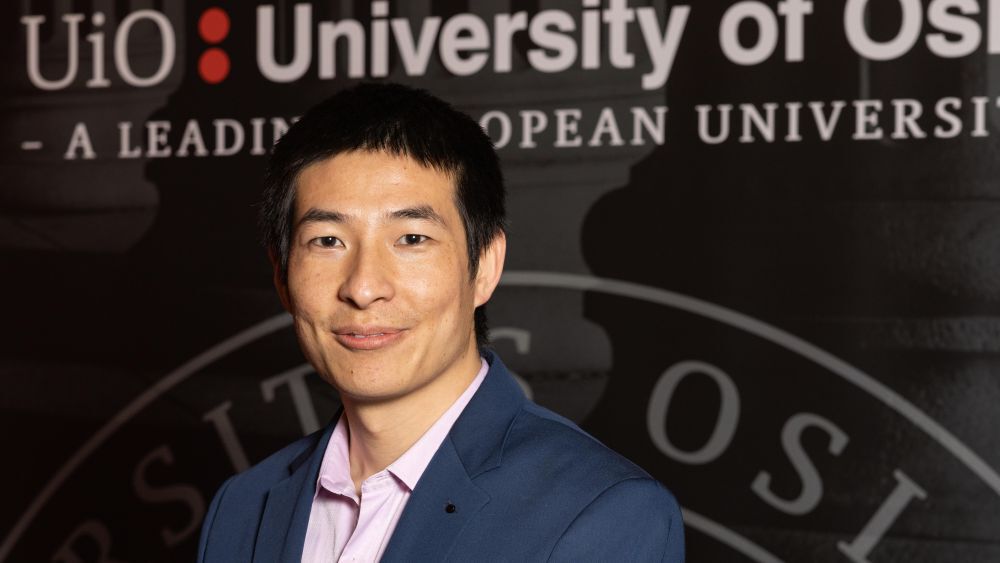
“I am very grateful for the support from the Research Council of Norway through the FRIPRO programme. This award gives me the opportunity to investigate a fundamental question with major clinical relevance,” says researcher Yanjiao Li at the Centre for Embryology and Healthy Development (CRESCO), a Centre of Excellence at the University of Oslo.
In this project, Li and colleagues will investigate why many embryos produced during IVF fail to progress further in development.
“Although the embryos may look normal at first, something goes wrong in the earliest stages of their development,” explains Li.
The goal is to help improve the success rate of IVF.
“We need to understand the very earliest biological processes within the embryo,” he says.
Why do IVF attempts fail?
In Norway, around five percent of all newborns are the result of assisted reproductive technologies (ART), IVF is the most commonly used ART treatment, according to Store medisinske leksikon.
“Infertility affects many couples, and IVF is often the last hope,” Li points out.
Many embryos stop developing at very early stages during treatment, which leads to unsuccessful attempts.
“Often, we do not know the reason why. By understanding the fundamental mechanisms that shape an embryo’s capacity to develop, we can, in time, contribute to better IVF methods and outcomes,” he says.
This could have a major impact for couples seeking help to have children.
“It could increase the chance of pregnancy, reduce the number of failed attempts, and lessen the psychological and physical burden for those undergoing treatment.”
The growth medium can make a difference
In the FRIPRO project, Li will carefully investigate what goes wrong inside embryos.
“We will study how small molecular signals within cells influence the earliest stages of an embryo’s life. In particular, we will look at chemical modifications on the top of the RNAs,” he explains.
RNA molecules transmit information from DNA to proteins within a cell. In embryos, RNA modifications can switch genes on and off and instruct cells to control survival, metabolism, and differentiation.
“We will also examine how the culture medium can affect these processes. This is the environment in which the embryo grows, such as the composition of the fluid it resides in,” Li continues.
Such media are used in the laboratory to support fertilisation and early embryonic development outside the body. They typically contain salts, amino acids, proteins, and buffers that support embryo growth from fertilisation to the blastocyst stage.
What is IVF?
IVF, or in vitro fertilisation, is a form of assisted reproduction in which egg cells are fertilised outside the body. It involves retrieving eggs from a woman’s ovaries and fertilising them with sperm from her male partner or from a donor in a laboratory “test tube” or dish where fertilisation can occur.
Source: Store medisinske leksikon
The institute offers its congratulations
Deputy Head Shuo-Wang Qiao extends congratulations on behalf of the Institute of Clinical Medicine.
"Congratulations to researcher Yanjiao Li on the FRIPRO award! The project combines advanced molecular biology with clinically relevant questions and emphasises the exciting research being conducted at CRESCO and the University of Oslo in embryology,” she says.