About the speaker
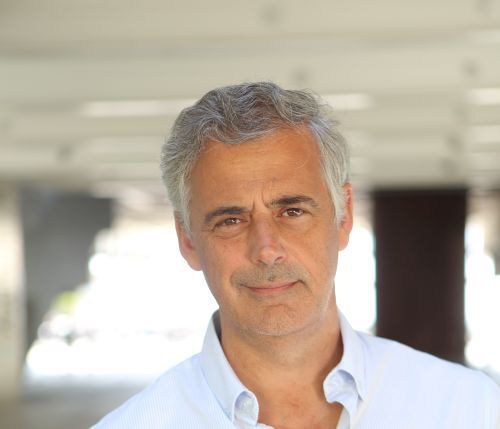
Luis Serrano received his PhD in Cell Biology at the Centro de Biología Molecular of the Universidad Autónoma de Madrid in 1985. He spent 4 years in the laboratory of Professor A.R. Fersht, at the Medical Research Council, in the United Kingdom, where he focused his research on protein folding.
In 1993 he was appointed Head of Group at the European Laboratory of Molecular Biology, in Heidelberg, Germany, and focused his work on protein folding and design. In the following years at the EMBL, he was named Senior Principal Investigator and Head of the Structural & Computational Biology programme.
In 2006 he was named Head of programme at the Spanish National Cancer Research Centre (CNIO). At the end of 2006, he moved to Spain to direct the Systems Biology programme at the Centre for Genomic Regulation, where he also served as deputy director until his appointment as director on July 2011. He is member of the Spanish Society for Biochemistry and Molecular Biology, member of the European Molecular Biology Organization, and member of the Royal Spanish Academy of Sciences (Spain). In 2003 he received the Marie Curie Excellence Award, in 2009 he was awarded the City of Barcelona prize (science category); in 2018 he received the Francisco Cobos award and in 2025 he has been awarded with the Premio Rey Jaime I by the University of Valencia. In 2025 he has been awarded the Premio Nacional de Innovación. He has published more than 380 publications, won three ERC Advanced Grants and three ERC Proof of Concept grants. He is Professor of ICREA and has directed 20 PhD thesis. He was involved in the creation of one of the first Spanish Biotech Companies (Diverdrugs) in 1999. He is also co-founder of Cellzome, EnVivo, TRISKEL, Pulmobiotics and Orikine biotech companies. He has been Director and Founder of the association of European Institutes of Excellence EU-LIFE (https://eu-life.eu/) and of the association of Spanish institutes of excellence, Severo Ochoa and Maria de Maeztu.
Abstract
Our group has recently developed an attenuated Mpn strain (Mycochassis), with the same colonization capacity as the wild strain in murine and porcine lungs. Our Mycochassis is capable of secreting functional biological products of clinical interest for the treatment of lung diseases, including interleukins, chemokines, enzymes, growth factors and nanobodies. Mycochassis has the same colonization capacity of the wild-type strain in murine and pig lung models and does not colonize other organs. We have shown its efficacy in the treatment of Staphylococcus aureus and Pseudomonas aeruginosa infections in vivo, and ex vivo in catheters and endotracheal tubes of ventilator associated pneumonia patients when engineered for enzymes with anti-microbial activity.
We are currently exploring its therapeutic value in Lung idiopatic fibrosis and lung cancer. Lung fibrosis, particularly idiopathic pulmonary fibrosis (IPF), is a chronic, progressive, and fatal degenerative disease characterized by excessive scarring of lung tissue, leading to impaired gas exchange for which the only cure is lung transplantation. Lung fibrosis cannot be explained by a single mechanism, involves many different physiological pathways and could be triggered by chronic inflammation and insult to the lung tissue. The lung ranks as the second most prevalent site for metastatic cancer occurrences with 20 to 54% of malignant tumors exhibiting pulmonary metastasis. Despite the growing prominence of immunotherapy in lung cancer, mainly immune check point inhibitors (ICI) against PD-1/PD-L1, a substantial proportion of patients do not exhibit positive response due to inherent or acquired tumor resistance, especially in tumors with cold immunity. Systemic administration of immunotherapy is associated with a risk of potentially serious autoimmune side effects. Thus, there is considerable interest in local therapies directly delivered to the tumor, peritumoral environment or the tumor-draining lymph nodes, like bacteria-based cancer therapeutics.
We have engineered Mycochassis, to deliver a cocktail of protein designed improved biomolecules using protein design tools to curtail inflammation, prevent fibrotic scarring and promote alveolar type II cells regeneration, as well produce chemokines and masked cytokines that are activated at the tumour site. By integrating bacterial therapeutics with rational, quantitative protein design and protein masking, we aim to achieve precise, specific delivery and activation of biologics, significantly enhancing their safety and efficacy.
About the Christmas Lecture
A Christmas Lecture is a festive end-of-year talk that celebrates science by sharing inspiring research and ideas in an engaging and accessible way. Originating from the Royal Institution in London in the 19th century (the 1st one was in 1825 by Michael Faraday), Christmas Lectures bring scientists and audiences together to reflect on discoveries, spark curiosity, and enjoy the spirit of learning during the holiday season.
About the International Seminar series
The Christmas lecture is part of NCMBM International Seminar series.
Once a month, NCMBM invites international guest speakers to present on topics within molecular life science and medicine.
The seminar is open to all, with no registration needed. Coffee, tea and snacks will be provided before the seminar.
The Christmas lecture will be followed by a networking gathering with drinks and canapés.