
About the speakers
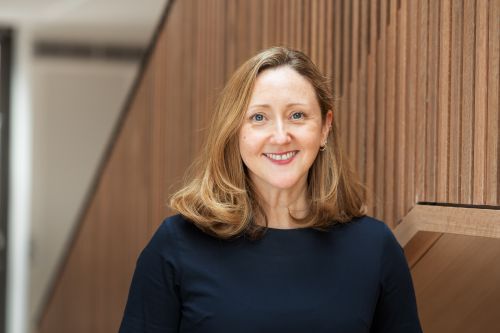
Claire Booth is a clinical academic working in the field of primary immunodeficiency (PID) and gene therapy, leading gene therapy clinical trials at Great Ormond Street Hospital treating patients with immune deficiencies, haematological and metabolic disorders. She has a skill set encompassing pre-clinical laboratory research, translational studies, phase I/II clinical trials and clinical management of patients with PID, including hematopoietic stem cell transplantation.
She is currently Principal Investigator of phase I/II lentiviral clinical trials of haematopoietic stem cell gene therapy for ADA-SCID, X-SCID and Fanconi anaemia and co-investigator on numerous others. Through this aspect of her work, she has acquired extensive clinical trial related operational and management experience incorporating regulatory framework, IMP manufacture, clinical pathways, orphan drug designation, industrial partnerships and commercialisation.
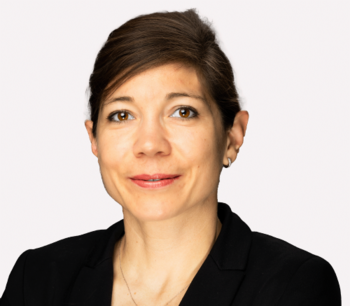
Judith Zaugg is Professor of Molecular Medicine at the University of Basel, where she leads the Molecular and Computational Hematology–Immunology group at the Department of Biomedicine, and the Systems Epigenetics group at the European Molecular Biology Laboratory (EMBL). Her research aims to understand how genetic, epigenetic, and microenvironmental cues shape complex cellular phenotypes. Her group integrates single-cell multi-omics, spatial profiling, and computational modeling to study the bone marrow stem cell niche, focusing on how immune and stromal interactions influence hematopoietic differentiation, therapy resistance, and relapse in hematological malignancies.
Current work investigates immune and stromal remodeling of the bone marrow after allogeneic hematopoietic cell transplantation (allo-HCT) in AML. The group is also expanding toward AI-driven image analysis and cryo-electron tomography to link molecular architecture with gene regulatory function. Her research is supported by the European Research Council (ERC), the Swiss National Science Foundation (SNSF), and the MSCA doctoral network IMMERGE. She serves on the Scientific Advisory Boards of NCMBM and HCEMM, and as Co-Director of the EHA–EMBL-EBI Computational Biology Training in Hematology.
Titles and abstracts
Claire Booth
Evolution of gene therapy for immunodeficiencies
Abstract TBA
Judith Zaugg
Understanding Immune and Hematopoietic Disorders Through the Lens of Gene Regulation and the Spatial Microenvironment
Our long-term vision is to understand how cells integrate genetic variation, epigenetic state, and signals from their microenvironment—including cell–cell interactions—to give rise to complex phenotypes such as cellular identity, immune function, and disease. In this talk, I will argue that gene regulation—particularly the interplay between enhancers and transcription factors—is central to defining a cell’s functional state and predicting how it responds to internal and external cues.
I will present general principles from our work on enhancer-mediated gene regulatory network modeling, highlighting the context-specific roles of transcription factors across cell types. These insights are derived from large-scale single-cell RNA and chromatin accessibility datasets generated using SUM-seq, a high-throughput multi-omics method developed in our lab for studying regulatory logic at scale.
Finally, I will showcase ongoing work investigating the bone marrow stem cell niche, where we apply spatial transcriptomics to study how immune and stromal cell interactions are perturbed in hematological malignancies and remodeled following allogeneic hematopoietic cell transplantation (allo-HCT). These studies provide new insight into how niche plasticity and microenvironmental recovery contribute to therapeutic resistance and relapse.
About the seminar series
Once a month, NCMBM invites international guest speakers to present on topics within molecular life science and medicine.
The seminar is open to all, with no registration needed.
Tea, coffee and a simple lunch will be served at 12.30 before the seminar.