
About the speaker
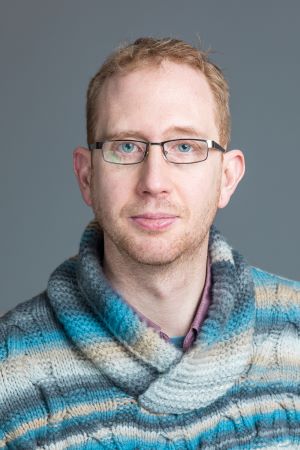 Dr. Patrick R.H. Steinmetz is originally from Luxembourg and is an evolutionary developmental biologist. He has held positions in Vienna, Heidelberg, and Marburg, focusing on molecular evolution and developmental biology. Since joining the Michael Sars Centre in 2015 as a group leader, Dr. Steinmetz has led innovative research on the evolutionary origins of nutrient homeostasis and cellular quiescence in animals. With his research group, he aims to understand the cellular and molecular links between growth, reproduction and food availability using the simple sea anemone Nematostella vectensis. Sea anemones grow when fed and shrink when starved. They use the sea anemones Nematostella vectensis and Exaiptasia pallida to study how these processes are regulated on a cellular and molecular level. Their research combines aspects of body size regulation, nutrient transport, stem cell biology and cell cycle control to get a systemic understanding of one of the oldest physiological growth control mechanisms in animals.
In 2021, he became Deputy Director of the Michael Sars Centre at the University of Bergen.
Abstract
Most animals regulate their growth rates and body sizes based on nutrient availability, yet the cellular and molecular mechanisms underlying this process remain poorly understood. In the sea anemone Nematostella vectensis, feeding drives body growth and cell proliferation, while starvation induces whole-body shrinkage and extensive cell loss. My lab investigates how nutrient availability regulates body plasticity across biological scales – from organismal to cellular and genomic levels.
I will present our current understanding of how nutrient availability controls the cell cycle dynamics of a population of Vasa+/Piwi+ stem-like cells during starvation and refeeding. Using flow cytometry on fluorescent knock-in lines, we found that prolonged starvation deepens quiescence in these cells, as evidenced by delayed cell cycle re-entry upon refeeding – a process depending on TOR signalling. In addition, we study the cellular mechanisms underlying cell loss during starvation-induced shrinkage. Live confocal imaging and MAPK signalling analysis revealed that epithelial cell extrusion is a key driver of cell loss, and is likely conserved between cnidarians and bilaterians. Together, our research identified fundamental cellular processes underlying nutritionally regulated body plasticity in Nematostella and we are currently aiming to link these processes to changes in metabolic pathways.
About the seminar series
NCMBM invites guest speakers from the local environment as well as from research centres in Norway to present on topics within molecular life science and medicine.
The seminar is open to all, with no registration needed.
Tea, coffee and a simple lunch will be served at 11.30 before the seminar.