
About the speakers
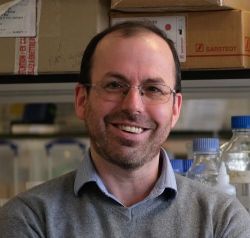
Professor David Kent is a stem cell biologist who trained in both normal and malignant blood stem cell biology. He started his research group in Cambridge in 2015, and moved to the University of York in 2019, where he is now Deputy Head of Department (Research) in Biology and a key member of the newly created Centre for Blood Research. His main research contributions have been related to how we assess and track blood stem cells and their progeny. He has a strong track record of applying novel technologies and theoretical approaches to longstanding questions via interdisciplinary interactions. These include his leading roles with the MRC National Mouse Genetics Network, a UK-Japan HSC expansion network, and a Gates Foundation funded network of researchers to track stem cell dynamics in sickle cell disease and its associated gene therapies. Professor Kent was the recipient of the ISEH Janet Rowley Award for Outstanding Young Researchers and has been recently elected into the UK Academy of Medical Sciences.
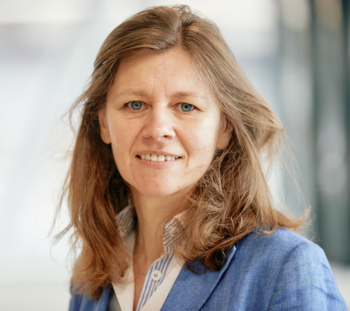
Julia Skokowa is a Full Professor of Translational Oncology at the Department of Internal Medicine II, University Hospital Tübingen. She also heads the reference laboratory for the European branch of the Severe Congenital Neutropenia International Registry (SCNIR). Her multi-disciplinary team of scientists is dedicated to advancing the research of the pathogenesis and new therapies of inherited pre-leukemia bone marrow failure syndromes and leukemia. They use cutting-edge technologies such as patient-specific iPSCs, gene editing, xenograft models, multi-OMICs and de novo protein design. Her group has achieved significant advances in understanding of pathogenesis of congenital neutropenia and leukemia, cytokine signaling, stem cell differentiation, and gene therapy, including the efficient promoter-based correction of gene mutations in primary hematopoietic stem cells from severe congenital neutropenia patients using gene editing. In her talk, she will describe how advances in the diagnosis and treatment of pre-leukemia bone marrow failure syndromes can be achieved by translating basic scientific findings into clinical practice.
Titles and abstracts
David Kent
A track of the clones: Understanding haematopoietic stem cell identity and function at the single cell level.
Hematopoietic stem cells (HSCs) are the fundamental component of a wide range of cellular and gene therapies, but can also be subverted to drive malignancy from single cells. It is essential to understand the molecular drivers of cell fate imbalances and this talk will explore our recent work in developing novel methods to identify and track HSCs and their progeny in people and outside the body.
Relevant publications related to the talk:
Spencer-Chapman, Cull et al., Clonal selection of hematopoietic stem cells after gene therapy for sickle cell disease; Machado et al., Convergent somatic evolution commences in utero in a germline ribosomopathy/; Lee-Six et al., (review) Tracking hematopoietic stem cells and their progeny using whole-genome sequencing; Jassinskaja et al., (review) Resolving the hematopoietic stem cell state by linking functional and molecular assays.
Julia Skokowa
Understanding pre-leukemia bone marrow failure syndromes: from basic science to clinical translation.
About the seminar series
Once a month, NCMBM invites international guest speakers to present on topics within molecular life science and medicine.
The seminar is open to all, with no registration needed.
Tea, coffee and a simple lunch will be served at 11.30 before the seminar.