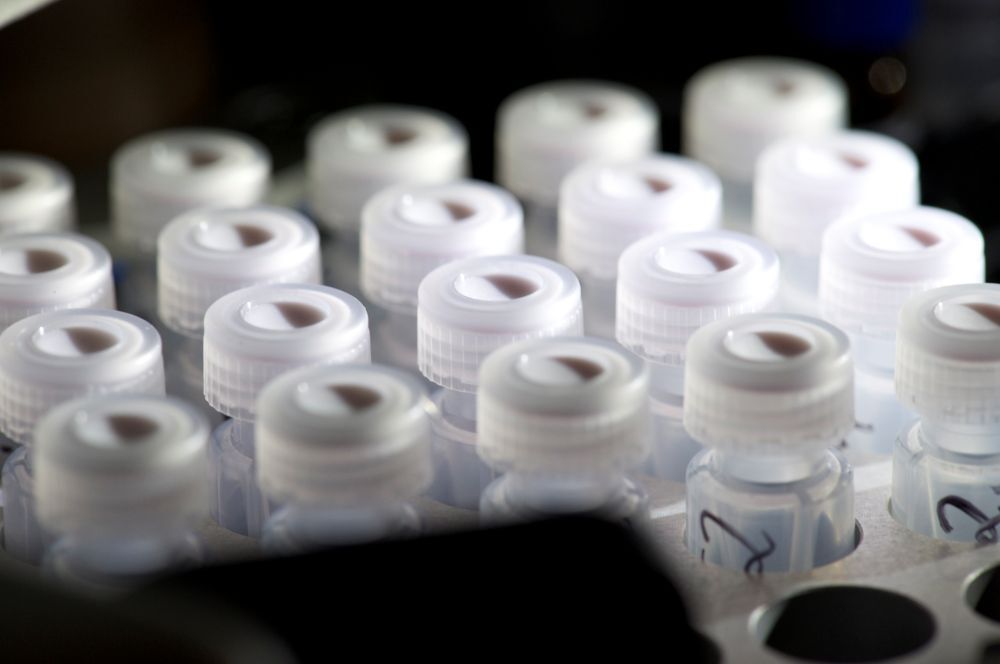
A new study published by Katariina Mamia, PhD student in the Haapaniemi group at the Norwegian Centre for Molecular Biosciences and Medicine (NCMBM), and colleagues presents an important step forward. Published in Molecular Therapy, the research introduces a precision T cell correction platform that uses CRISPR-Cas9 gene editing to repair the single-letter mutations that cause these conditions.
Why T cells?
The standard approach for genetic correction of IEIs is to edit blood stem cells and then transplant them back into patients. While potentially curative, this strategy requires intensive chemotherapy and is not suitable for patients who are already battling advanced disease, active infections, or inflammation. Moreover, there are still major challenges in retaining the stemness of the cells when using gene therapy.
Importantly, the current standard of care for severe IEIs is allogeneic hematopoietic stem cell transplantation (HSCT). While gene therapy was first pioneered in X-linked severe combined immunodeficiency (SCID) and ADA-SCID, it has since advanced to promising clinical trials for several other IEIs, using patient-derived stem cells modified with viral vectors. This means this published study represents not just incremental progress, but cutting-edge work in a field moving rapidly toward new treatments.
Mamia and colleagues instead turned their attention to T cells, a key part of the immune system. Unlike stem cells, T cells can be collected and reinfused with fewer risks. Importantly, for many IEIs where T cell function is impaired, even partial restoration of healthy T cells could help control infections and reduce disease symptoms.
As Katariina Mamia explains: “By focusing on correcting T cells, we can design therapies that are faster, less toxic, and still provide meaningful benefits to patients.”
Building a precise correction toolkit
Typically, CRISPR-Cas9 is used to either “knock out” faulty genes or insert healthy versions of them. These approaches, however, can disrupt natural gene regulation and do not always adapt well to the growing list of ultra-rare IEIs, some of which affect only a handful of patients worldwide.
Instead, the Haapaniemi group built a homology-directed repair (HDR) platform, which allows precise replacement of a disease-causing mutation with the correct DNA sequence. Using patient-derived T cells, they optimized every step of the process, from designing the correct guide RNA to choosing the optimum chemical enhancers to boost editing efficiency without being toxic to cells.
Through this fine-tuning, the team achieved correction rates of up to 80%, an unusually high efficiency for HDR-based editing in primary human T cells.
Testing across different diseases
To demonstrate the platform’s versatility, the researchers applied it to several different IEIs, namely STAT1 gain-of-function (a condition leading to overactive immune signaling and susceptibility to fungal and viral infections, Cartilage-hair hypoplasia (CHH) (a disorder impairing T cell proliferation), Deficiency of ADA2 (DADA2, an autoinflammatory disease) and Autoimmune polyendocrinopathy-candidiasis-ectodermal dystrophy (APECED).
Their results highlight the platform’s adaptability across diseases, spanning different sequence content and types of mutations, which affect gene editing efficacy.
Safety first
Any future therapy must demonstrate not only effectiveness but also safety. To this end, Mamia and colleagues carried out a comprehensive safety assessment. They used cutting-edge methods such as GUIDE-seq to detect unintended CRISPR edits, long-read sequencing to examine genome structure, and single-cell RNA sequencing to study cell function. Encouragingly, with the used methods, the team found no detectable off-target edits or harmful effects on the genome, transcriptome, or protein expression of corrected T cells.
Toward future therapies
While much work remains before this platform reaches the clinic, the study establishes a strong foundation for developing autologous T cell therapies for IEIs. The approach could be particularly valuable for patients who are not eligible for stem cell transplants.
“Ultimately, our goal is to create a universal toolkit that can be adapted to correct many different mutations underlying rare immune disorders,” says Katariina Mamia.
This precision T cell correction platform represents a promising step in the direction of bringing tailored, less invasive therapies closer to reality for patients living with IEIs.