CanCell seminar: Charles Boone, Department of Molecular Genetics, University of Toronto
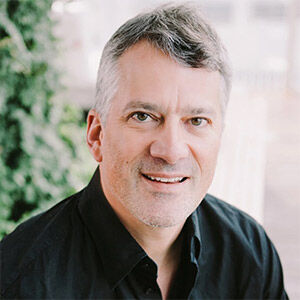
Title: A global genetic interaction map of a human cell reveals conserved principles of genetic networks
Abstract: Previously, our research team has mapped a global genetic network for the yeast genome testing all possible 18 million gene pairs for genetic interactions. We've now generated a genome-scale, genetic interaction network from the analysis of more than 5 million double mutants in the haploid human cell line, HAP1. The network maps ~90,000 negative and positive genetic interactions, including thousands of extreme synthetic lethal and genetic suppression interactions. Genetic interaction profiles enabled assembly of a hierarchical model of cell function, including modules corresponding to protein complexes and pathways, biological processes, and cellular compartments. Systematic comparative analyses showed that the general principles and topology of genetic networks are conserved from yeast to human cells. A genetic interaction network mapped in a single genetic background complements the DepMap gene co-essentiality network, recapitulating many of the same biological connections and also capturing unique functional information to reveal roles of previously uncharacterized genes and molecular determinants of specific cancer cell line genetic dependencies.
https://thedonnellycentre.utoronto.ca/faculty/charles-boone
CanCell seminar: Wolfgang Huber, European Molecular Biology Laboratory, Heidelberg

Title: Machine Learning for single cell biology and precision oncology
Abstract: Identifying gene expression differences in heterogeneous tissues across conditions is a fundamental biological task, enabled by multi-condition single-cell RNA sequencing (RNA-seq). Current data analysis approaches divide the constituent cells into clusters meant to represent cell types, but such discrete categorization tends to be an unsatisfactory model of the underlying biology. I will present latent embedding multivariate regression (LEMUR), a model that operates without, or before, commitment to discrete categorization. LEMUR (1) integrates data from different conditions, (2) predicts each cell’s gene expression changes as a function of the conditions and its position in latent space and (3) for each gene, identifies a compact neighborhood of cells with consistent differential expression. Recent research in deep-learning-based foundation models promises to learn representations of single-cell data that enable prediction of the effects of genetic perturbations. We compared five foundation models and two other deep learning models against deliberately simple baselines for predicting transcriptome changes after single or double perturbations. None outperformed the baselines, which highlights the importance of critical benchmarking in directing and evaluating method development. Finally, I will highlight on-going work in spatial omics to better understand the role of tumor microenvironment in cancer immunotherapy responses.