Untapped Potential: Learning more from your exams
Exams generate rich information about what each student knows and where they need to improve. But that information usually disappears into a single grade. Untapped Potential is a research and innovation project at the University of Oslo that changes this. Based on existing exam data, we provide into personalised, meaningful feedback that supports learning.

The idea
Every exam you sit contains far more information than your final score reveals. Untapped Potential uses learning science and generative AI to unlock that information and turn it into tailored guidance — helping you understand not just how you did, but why, and what to do next.
ATLAS — the platform
To make this possible, we developed ATLAS: a secure, cloud-based platform that connects to UiO's digital exam systems (Inspera and WISEflow) and generates personalised feedback reports for individual students. Access is straightforward through your regular university login via FEIDE.
Here is an example of the kind of feedback ATLAS generates for a medical student after an exam:
«You show clear strengths in central, high-weight topics: you are between the 50th and 85th percentile in the Nervous System (23%), Kidney (6%) and Reproduction (6%) — better than the cohort average in areas that were relatively difficult for the group as a whole. You are particularly strong in Circulation (12%), placing between the 85th and 100th percentile, which is especially impressive given that this section was harder than the rest of the exam for the cohort. Areas for improvement include the Autonomic Nervous System, where you are below the 15th percentile despite this being an easier section for the cohort — pointing to a clear need to work on autonomic and endocrine topics.»
Where we are
In our first year, we built the foundations of ATLAS including a cross-platform data model, scalable infrastructure, and refined AI feedback prompts. All of this has been tested in real exam contexts at different institutions.
We are now running user pilots. Your feedback is a central part of what happens next.
What's coming
In 2026, the focus shifts from building to improving and sharing. We are working towards a stable, maintained release of ATLAS, conducting focus groups with students and teachers to understand what works and what doesn't, and developing a model for how the platform can be sustained and scaled beyond the project period. We are also beginning to share what we've learned with other disciplines and institutions, nationally and internationally.
The team
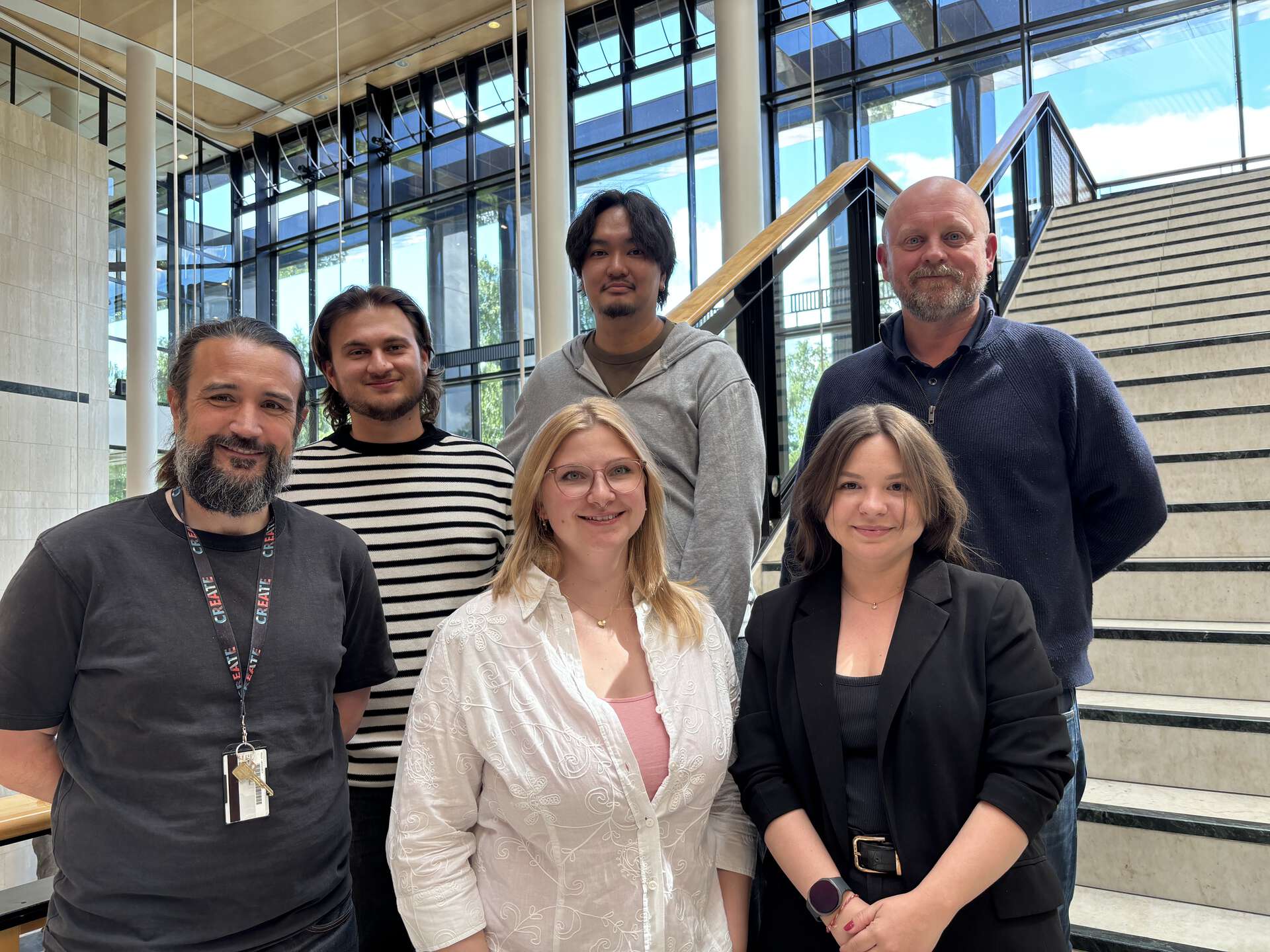
In 2025, we established a project team consisting of the PI and Co-Pi (Stefan Schauber; Gunnar Bergersen) two developers (Ergi Xhemajli; Anh Le from MED/HELP) and two students (Ylva Matjeko; Iulia Dumitru; both UV). In addition, Gunnar Bergersen recruited several students working on their master thesis within the project.
In spring 2025, at the start of Untapped Potential, we ran a future newspaper headline workshop to build a common vision for what it would look like if we got this right. The headlines we wrote talked about a Norwegian solution spreading to other countries, being rolled out nationally as the standard approach to exam feedback, and attracting more funding to scale further. One imagined Aftenposten reporting that UiO had put Norway on the map for educational innovation. Another simply said "everyone got better". And one asked the question: "Closer to equity?" Diversity, equity, and inclusion are central principles in our project. We want ATLAS to work well for everyone.
Results from cognitive labs
An early demo version of ATLAS is available at demo.atlas.uiocloud.no
Ylva and Iulia's presented their findings at our summer seminar, slides are available below:
Funding
Untapped Potential is funded by SPARK Social Innovation at the University of Oslo — a two-year programme that supports research-based innovation projects creating real value for society.
Project Team


