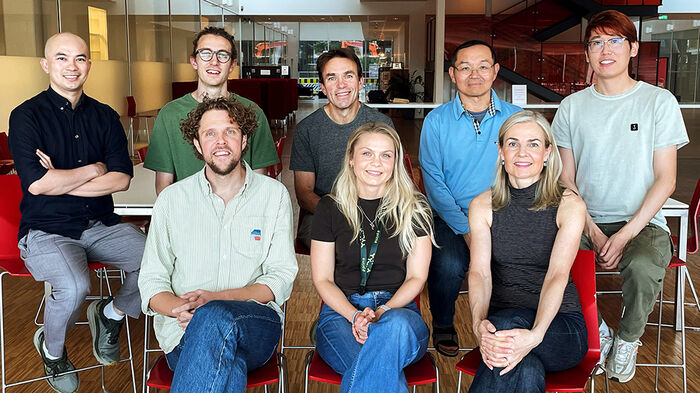
The blood tests currently used do not provide a complete picture of gut health in people with coeliac disease. Researchers have identified proteins in the blood that may offer more accurate information for monitoring patients.
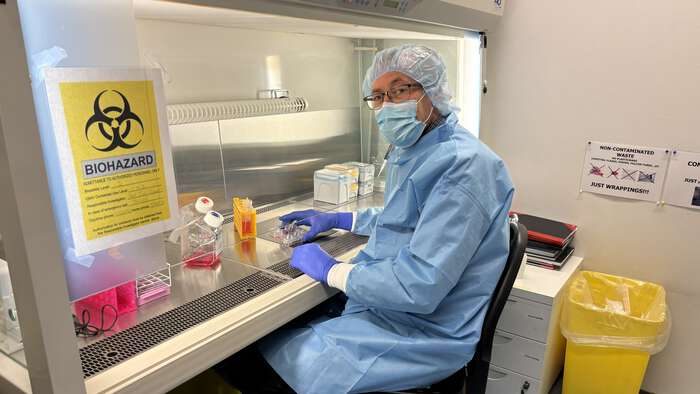
Research news
Cells from nine “super donors” are being collected in Oslo. The aim is for these to be used to repair or replace damaged cells, tissue and organs in people suffering from conditions ranging from heart attacks to Parkinson’s disease.
For women with chronic illnesses, pregnancy can pose a difficult dilemma: should they continue the medication they depend on and risk it crossing over to the fetus, or should they stop and risk becoming much sicker themselves?
Never before have so many pregnant women developed gestational diabetes. New research shows that our genes may help determine who is most at risk.
Growing adolescents who train heavily often do not understand how much food they need. The consequence can be injury.
A new evaluation of heroin-assisted treatment (HAT) in Norway shows that the treatment improves patients’ health along with their quality of life.
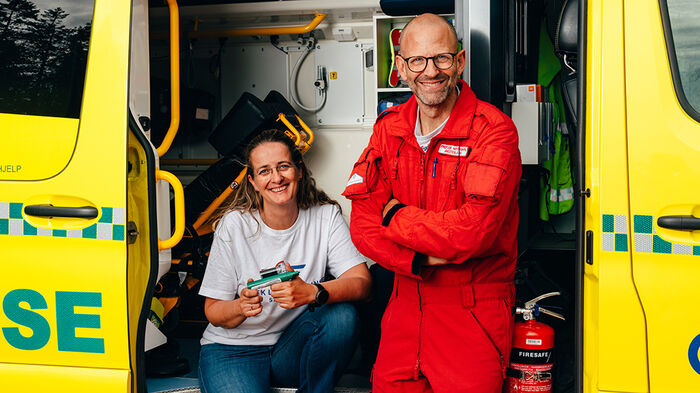
Treating pain while in the field can be very demanding. Researchers have finally identified an effective alternative for providing pain relief during the earliest phase of prehospital care, when establishing intravenous access can be difficult.
And these diseases are linked, new research shows. It also matters where in Norway the child grows up.
A special protein may help explain why the risk of Alzheimer's increases with age. A new study shows that the protein ULK1 plays a key role in the brain's cleansing system, which is important to keep the brain healthy.
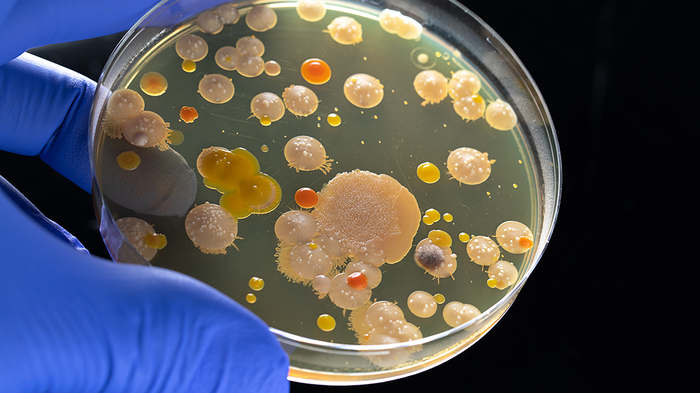
A new Norwegian study shows that antibiotic use in the general population can make gonorrhea more difficult to treat and lead to antibiotic resistance. Physician and PhD candidate Patricia Campbell introduces a method that can detect warning signs earlier.
Previous studies have suggested that an extract in passion fruit may slow the development of Alzheimer’s disease and dementia. Researchers believe they have discovered the fruit’s secret.
Every day, thousands of people worldwide suffer a heart attack, often leading to lasting damage to the heart muscle. New research from the University of Oslo suggests that targeting inflammation in the body help protect the heart and improve recovery after a heart attack.
Patients with autoimmune diseases such as lupus and rheumatoid arthritis have an increased risk of developing lymphoma, a form of blood cancer that affects the lymphatic system. Researchers have now identified a mechanism that may help explain this connection.
Breastfeeding does not only affect your weight while you are breastfeeding. Women gain up to 6.5 kilos less on average later in life if they breastfeed for at least three months, according to a new study.
The bacterium E. coli is the most common cause of urinary tract infections and bloodstream infections. But in the search for vaccines, researchers have discovered that the bacteria are more resilient than they had thought.
Nerve cells in the brain are constantly bombarded with information from different senses simultaneously. How can the brain prioritise what is most important?
With a brain atlas, you can dive into the mouse brain digitally. Now it has become even more exciting than before. Researchers have developed a new brain atlas in 4D.
Researchers have found a way to detect Parkinson’s disease many years before the first symptoms appear. “This study is an important step towards identifying and diagnosing patients much earlier than we are able to today,” says researcher Hilde Loge Nilsen.
Using a standard dose of antidepressants during pregnancy appears to be safe for the baby. Persistently high doses, however, may be linked to changes in the placenta and a higher chance that the newborn needs intensive care.
The protein REST may play a central role in explaining why some individuals develop Alzheimer’s disease while others remain healthy, according to new research.
An imbalance in the production of blood cells can lead to the aggressive blood cancer acute myeloid leukaemia. A new study finds a way to stop malignant stem cells. The researchers believe their findings could open up new avenues for treatment in the future.
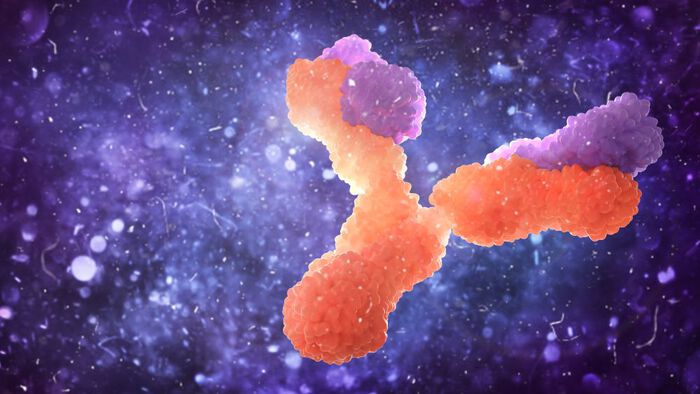
Researchers have conducted the first large-scale benchmark study to investigate antibodies. “The benchmarking done in the present study is critically important to develop this field further,” says researcher Tuula Nyman.
We eat more processed meat such as sausages and salami than in the other Nordic countries. For the first time, researchers have calculated the disease burden and years of life lost caused by an unhealthy diet.
A new study based on data from nearly one million individuals has unveiled that certain genetic variants could increase the risk for both psychiatric and neurological disorders. The findings may have implications for how we understand and treat brain diseases.
A new study provides hope for the treatment of cancers that are currently difficult to treat, such as lung cancer and prostate cancer.