Published
Nov. 4, 2025 11:07 AM
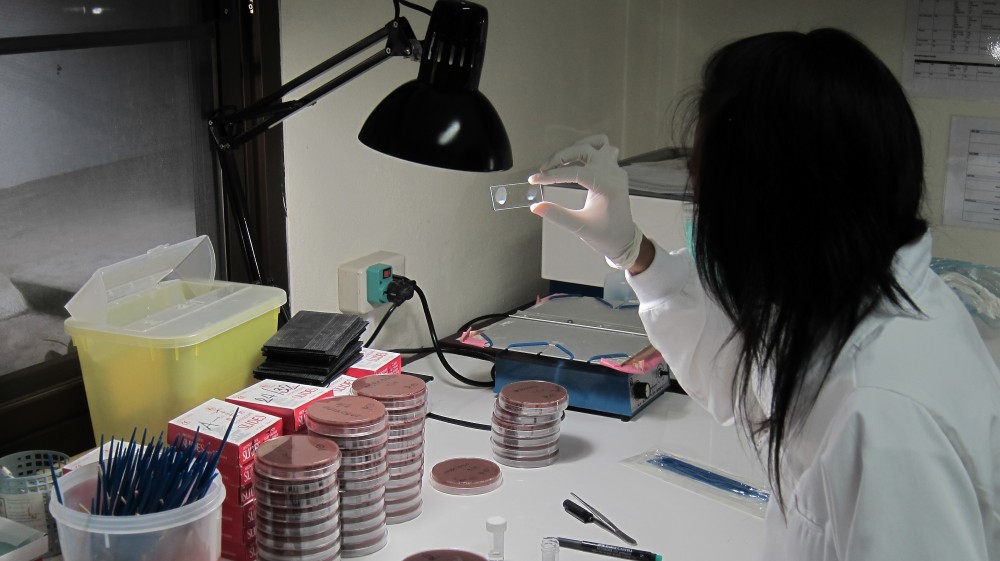
Bacteria that often cause urinary infections can spread as rapidly as swine flu. But E. coli that are resistant to several classes of antibiotics behave differently.
Bacteria that often cause urinary infections can spread as rapidly as swine flu. But E. coli that are resistant to several classes of antibiotics behave differently.
Owwww, howls your child while holding its ear and crying. Recent findings can lead to the development of a vaccine to protect against a very common type of ear infection.
Diagnosing heart failure in women can be particularly challenging. New research on biomarkers may lead to more accurate diagnoses for heart failure, in both women and men.
A new technology for design of proteins could mean that boys and men with bleeding disorders no longer need to receive treatment as frequently as they do today. “This could have significant implications for patients and their families,” says professor Jan Terje Andersen.
If you adopt a healthier lifestyle after bowel screening, it can lower your risk of both bowel cancer and other chronic diseases, a new study shows.
Over 1500 people in Norway have had a liver transplantation. But how can doctors know which patients need extra follow-up or additional treatment so that as many as possible can live a long life afterwards?
Machine learning and artificial intelligence are set to play a significant role in the future of drug development. Recent research has unveiled new insights into how these models should be supervised, using both so-called positive and negative data.
The heart medication beta-blockers reduce the risk of subsequent heart attacks in patients with either no or mild heart damage, according to two new large-scale studies. These findings may have significant implications for clinical practice worldwide.
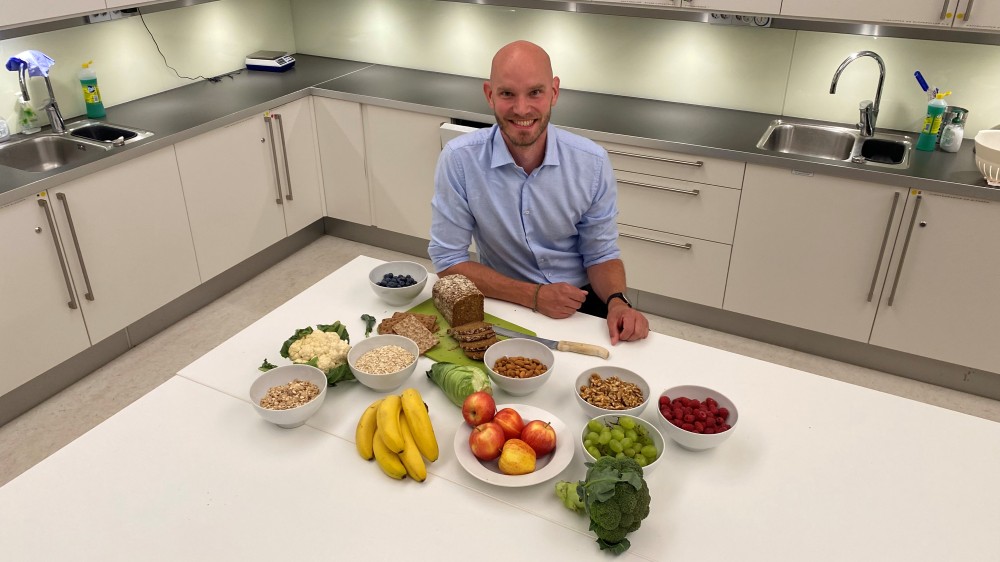
A new study reveals that individuals who enjoyed whole milk during the 1970s and early 1980s had a higher risk of mortality. However, beginning in the mid-1980s, a significant change occurred.
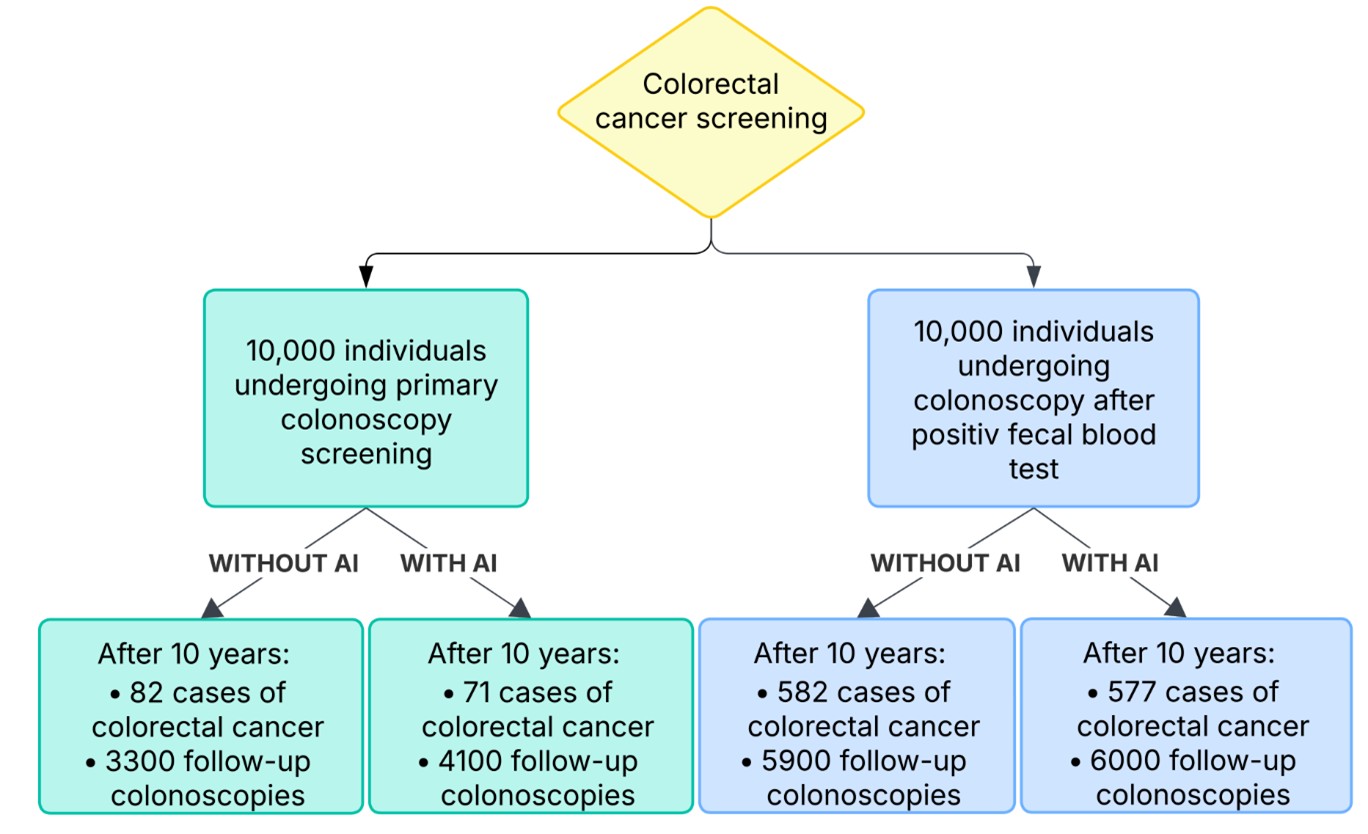
The ACCEPT team, part of the UiO OperA EU project, published a paper this week in the Lancet Gastroenterology and Hepatology that may generate controversy in the field of AI and colonoscopy.
Results from a comprehensive Norwegian study provide reason for optimism. More patients with Crohn's disease now experience a milder illness compared to previous years, and fewer require surgery.
Can research into a rare, accelerated ageing disease and "zombie cells" teach us something about the normal ageing process?
Researchers disconnected one type of nerve cell in the brain of mice while the animals rested after having learnt something new. This gave new answers to what actually happens when you remember earlier experiences for later use.
Mononucleosis is a very common infection among youth. Now, researchers believe that if we can stop the virus behind the infection, we can significantly reduce the probability of developing the severe liver disease PSC.
The technology focuses on the delivery of subunit vaccines via mucosal surfaces, such as via a nasal spray. A recent study reports that the vaccine technology provides robust protection against infections with the coronavirus and influenza virus.
The University of Oslo honours Grødeland for her exemplary efforts in conveying research-based knowledge about vaccines to the public. "It's important that we express exactly what we mean based on the facts we observe, and that we are not afraid to do so," says this year's winner.
During recent years, the Section for Clinical Nutrition has published an impressive 300 articles and developed the foundation for Norway’s new dietary guidelines. Now they have reaped praise from the Research Council of Norway’s evaluation report.
In the future, ten million people may die every year from infections caused by bacteria that are resistant to antibiotics. New findings have discovered a possible “cure” that can be used to combat resistant E.coli bacteria.
A team of Norwegian researchers, through international collaboration, found that the use of artificial intelligence (AI) during colonoscopy increased the detection of polyps by about 8%, but the risk of cancer was minimally affected.
Researchers at the Centre for Embryology and Healthy Development (CRESCO) aim to find out why so many early embryos fail in their development. New insights into how maternal and paternal DNA is replicated during the initial stages of pregnancy are contributing pieces to the puzzle.
An increasing number of individuals experience discomfort in the gut or are being diagnosed with intestinal conditions such as coeliac disease and inflammatory bowel disease (IBD). Scientists have now mapped the cells in the gut as part of The Human Cell Atlas project, revealing several new findings.
Gestational diabetes, hypertension, preeclampsia, and preterm birth can be warning signs that a mother has a genetic vulnerability to cardiovascular diseases.
When it comes to lung cancer, we know of more than 30 substances that are carcinogenic. But when researchers began investigating why there is a higher incidence of prostate cancer in firefighters, they had little to go on.
In the largest study conducted to date on the genetics of bipolar disorder, researchers have identified 36 genes linked to the condition. This marks a significant step toward understanding the genetic factors behind bipolar disorder, which could lead to improved diagnosis and treatment in the future.
Changing staff, Greenlandic herbal medicine, and growing frustrations. An ongoing research project investigates how parents experience the management of their children’s eczema.