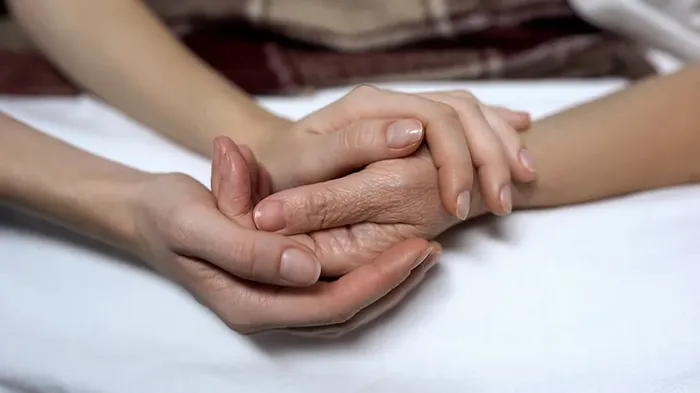
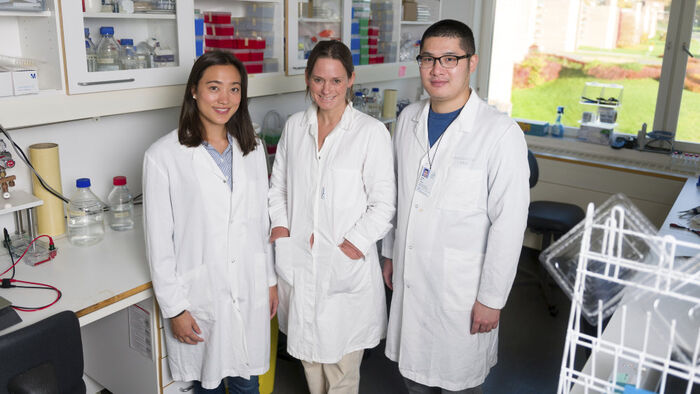
A newly developed communication tool, specifically designed for use in primary care, has reduced sick leave and increased the quality of life for patients, a randomized study shows.
Research news - Page 4
New research from NORMENT finds that people with schizophrenia have a genetic propensity to smoking and a reduced genetic risk of obesity. The study highlight the importance of including lifestyle interventions in treatment for schizophrenia.
Norwegian researchers have previously demonstrated an association between diabetes and virus infection. New research shows that, among children with type 1 diabetes, treatment with antiviral drugs could help preserve insulin levels. The result shows that it is possible to slow down and eventually prevent type 1 diabetes.
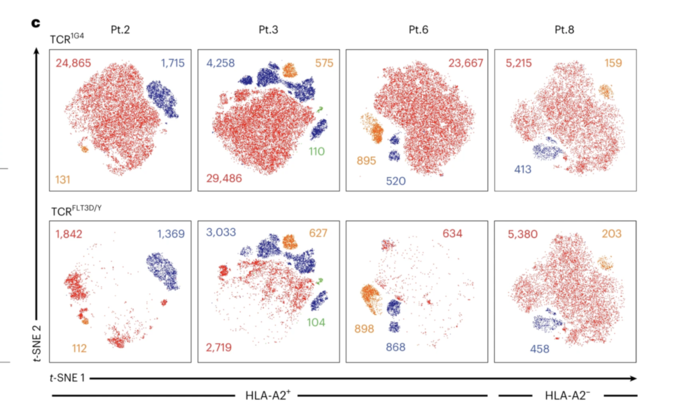
Researchers have identified a novel immunotherapy for acute myeloid leukemia (AML). Immune cells are programmed to recognize a mutation found in leukemia patients. The results provide hope for new and effective treatment for the most common form of leukemia in adults.
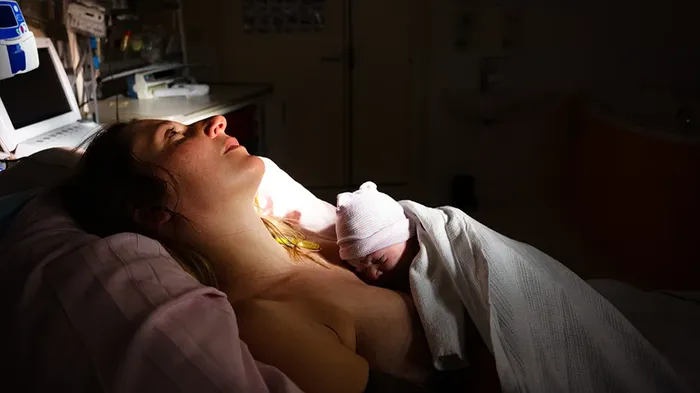
A new UiO-study shows that pregnant, undocumented women are more often severely ill and must be admitted to the hospital, when they seek help at the emergency room in Oslo.
Researchers at NCMM have demonstrated the mechanisms behind the activation of Aurora B, a central conductor of cell division. Their findings can lay the foundations for developing new cancer drugs.
Rapid diagnosis and treatment are crucial in the fight against tuberculosis. But today's testing methods are not good enough. Tests based on blood biomarkers may be the solution.
Researchers at the Centre for Medical Ethics have studied the significance of systematic family involvement for patients with psychotic disorders.
A new study indicates that some individuals are more prone to both using cannabis and developing mental disorders, such as schizophrenia and bipolar disorder, than others.
In research, things do not always go according to plan. Sometimes that leads to new discoveries.
The support was strongest towards assisted suicide conducted by a doctor, when the patient described had a terminal illness with short life expectancy.
Eight out of ten Norwegians believe that the next of kin are responsible for making decisions about life-prolonging treatment when patients cannot make decisions themselves. This is incorrect.
Antibiotic trade between India and China was a space of communication and contestation, involving entangled stakeholders and interests from both countries.
The word “brainwashing” usually triggers negative associations. But our brain health for sure depends on it. Scientists at the University of Oslo have recently made new and important discoveries about how and why this happens when we are sleeping.
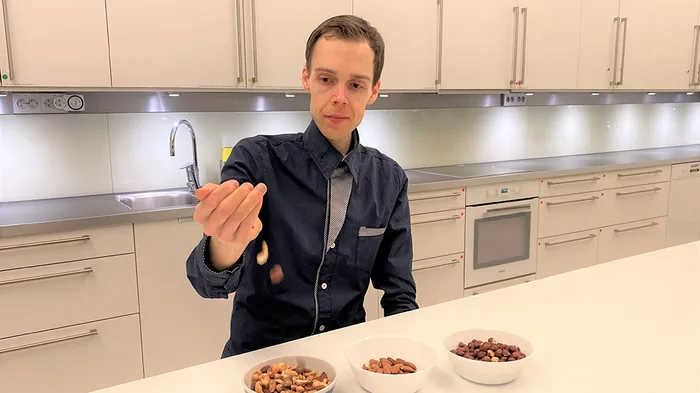
Eating nuts and seeds frequently can reduce the risk of heart disease, shows a major new study review.
Joar Røkke Fystro, PhD-student at the University of Oslo, mapped out arguments for and against the non-attendance fee in public documents.
Many employees in the offshore sector work night shifts. This may make them more susceptible to aggressive prostate cancer than if they only worked during the day.
Patients who have been hospitalised with severe COVID-19 have permanent changes in their cholesterol 3 months after recovery, according to a new study. This can increase their risk of developing heart disease later in life.
Obesity or excess fat around your waist in mid-life, can have a negative effect on old age: you double your risk of becoming frail.
A billion people worldwide suffer from brain diseases such as dementia, addiction and depression. Scientists carrying out brain research at UiO are now contributing to a more efficient utilisation of research data by developing 3D brain atlases and new analytic tools.
Imagine not being able to stay outdoors during winter. Or having to put on gloves to open the fridge. New knowledge and better treatment give hope to people who suffer from a rare cold disease.
Imagine a horse race, where the winner takes it all and is awarded both food and protection against enemies. In the same way, bacteria compete with one another in the gut of newborn babies.
20 years ago, four out of ten European children ate fruit and vegetables daily. Today, the proportion is the same, in spite of schemes to provide children with fruit at school. Why hasn’t there been more improvement?
Anette Bringedal Houge uses experiences from her own research projects to discuss ethical dilemmas researchers face when working on sensitive topics.
The torpedoes reside in specific cells of the innate immune system. These cells could be the next breakthrough in cancer treatment.