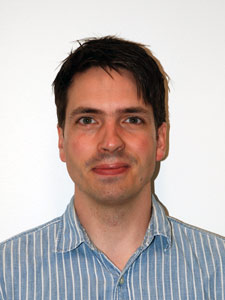
 CanCell member and project leader Alf Håkon Lystad
Research project: LysoStrike: Targeting lysosomes in Pancreatic Ductal Adenocarcinoma (PDAC)
Pancreatic Ductal Adenocarcinoma (PDAC) is among the deadliest cancers, resistant to treatments yet heavily reliant on lysosomes for survival. This project investigates how targeting lysosomal vulnerabilities in PDAC cells can induce selective damage, exploiting their heightened sensitivity to lysosomal stress. Building on our recent findings (EMBO Journal, Kaur et al., 2023), we aim to identify key proteins PDAC cells use to protect their lysosomes. By disrupting these protective mechanisms, we intend to overwhelm the cancer cells repair capacity, while limiting harm to healthy cells. Using this approach, we aim to provide new insights into therapeutic strategies for PDAC.

CanCell PI and group leader Jorrit Martijn Enserink
Research project: Identification and validation of drug combinations that overcome antifungal drug resistance
Human fungal infections are a historically neglected area of disease research, yet they cause more than 1.5 million deaths every year. Cancer patients are particularly susceptible to invasive fungal infections, which cause poor quality of life and adverse treatment outcome. Making things worse, pathogenic fungi are evolving resistance to all systemic antifungal drugs at a worrisome pace due to the frequent use of antifungal agents in clinical and agricultural settings, yet no new classes of antifungals have entered the market during the past 25 years. It is clear that new treatment strategies are urgently needed. Exploration of natural ecosystems in the Amazon rainforest, as well as screening of chemical libraries, resulted in the recent identification of a novel antifungal compound, NR-6226C (Corrales et al, 2025). Importantly, our unpublished data show that NR-6226C can re-sensitize multidrug-resistant pathogenic fungi to several antifungal drugs. The goal of this multidisciplinary, international project is to further optimize NR-6226C and to develop novel drug combination treatment strategies that bypass drug resistance of pathogenic fungi.
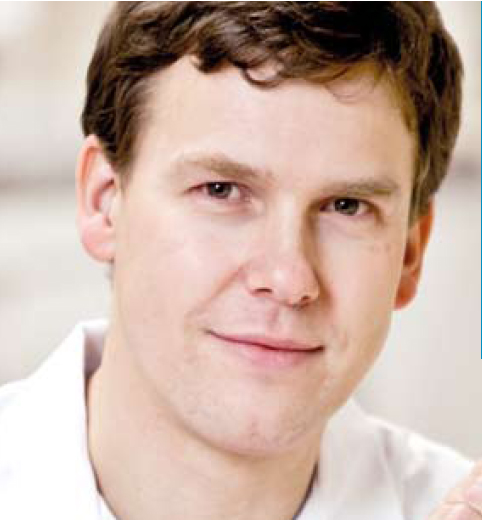 CanCell PI and group leader Jørgen Wesche
Research project: A novel signalling mechanism promoting cancer in the bone microenvironment
We will investigate a new oncogenic activation mechanism for FGFR1, that will expand the number of osteosarcoma and metastatic bone cancer patients that could benefit from existing anti-FGFR therapies. In the project we will elucidate the detailed molecular mechanism of FGFR1 activation and perform preclinical work to test the targetability of FGFR1 in cancers in the bone.
 CanCell member and scientist Viola Nähse
Research project: Targeting selective autophagy in radiotherapy
This project focuses on overcoming cancer radioresistance by targeting autophagy. Radioresistance is a major reason why cancer therapies fail, as certain cancer cells adapt to radiation-induced damage and continue to proliferate. One key strategy employed by these cells is the upregulation of autophagy, a process that clears damaged organelles and provides the energy needed for survival. At the core of this process is the formation of autophagosomes at specialized ER regions called omegasomes. Our research aims to uncover how radiation-damaged organelles are recognized, identify the cellular mechanisms regulating autophagosome formation, and explore how modulating autophagy can enhance cancer cell sensitivity to radiotherapy.
Read more about the cancer research funding from South-Eastern Norway Regional Health Authority: