Summary:
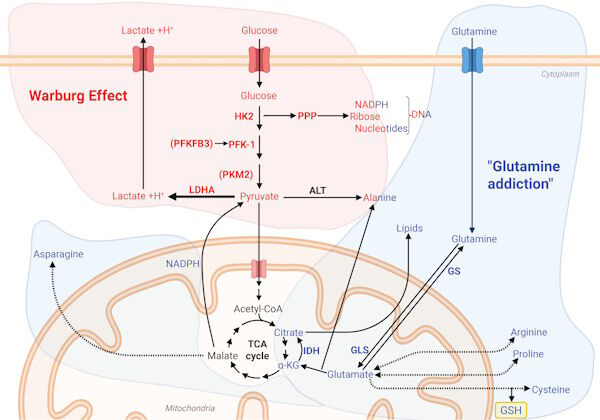
The immune system protects the body against dangers that include pathogens, damage and cancer. Modern cancer therapies have sought to bolster immune responses against cancer using immunotherapy, which may include various forms of immune checkpoint therapy (ICT) in addition to methods of adoptive cell transfer (ACT), which is often associated with transfer of chimeric antigen receptor (CAR) T cells. Despite favorable outcomes in some patients and some cancers, as many as 60-80% of patients fail to benefit from ICT due to primary or adaptive resistance. This highlights the need for deeper understanding of how cancers suppress the immune system. Solid tumors, which make up approximately 90% of all cancers, are characterized by an immunosuppressive tumor microenvironment (TME). A hallmark of the TME is dysfunctional vascularization and impaired perfusion, which hinder effective drug delivery and promote hypoxia-induced metabolic reprograming in both cancer and immune cells. As the TME imposes intense metabolic stress through nutrient competition and lactate-driven acidification – both of which activates immunosuppressive pathways, targeting the TME itself may be beneficial in enhancing the efficacy of immunotherapy. Here we will briefly discuss the potential of targeting the metabolism of the TME as a means to promote normalized tumor vascularization and/or enhance anti-tumor immune responses.
Frontiers in Immunology, 2025: https://doi.org/10.3389/fimmu.2025.1610255