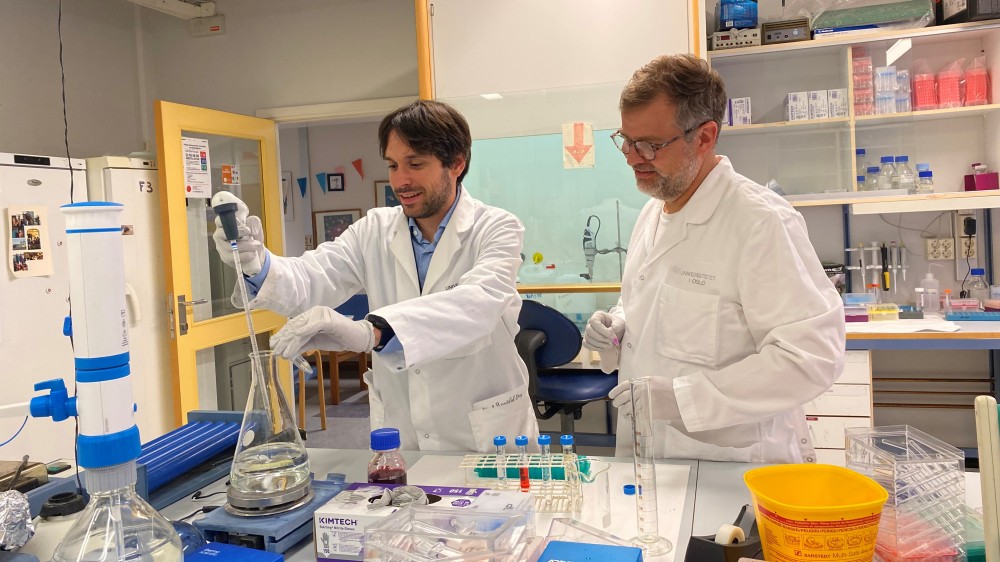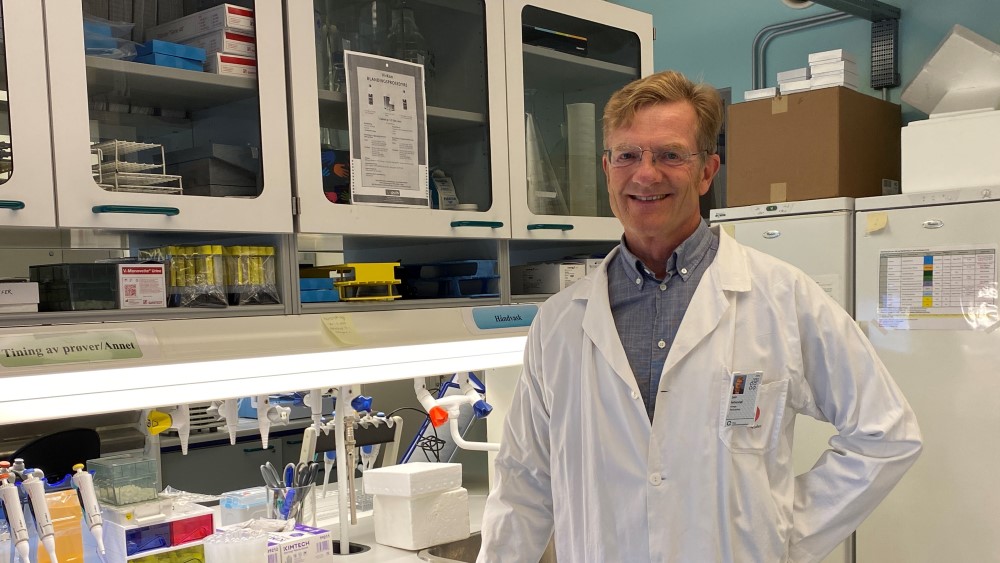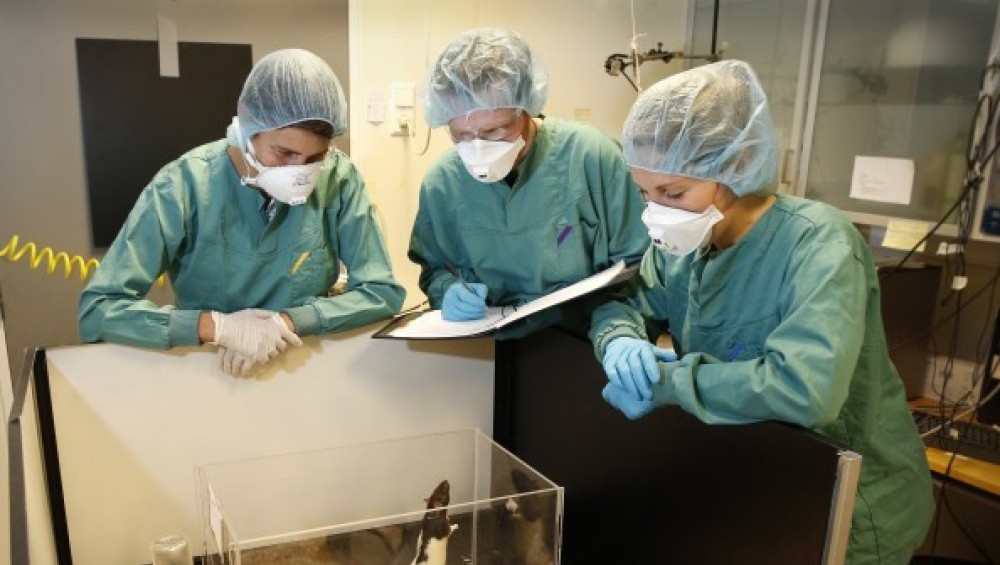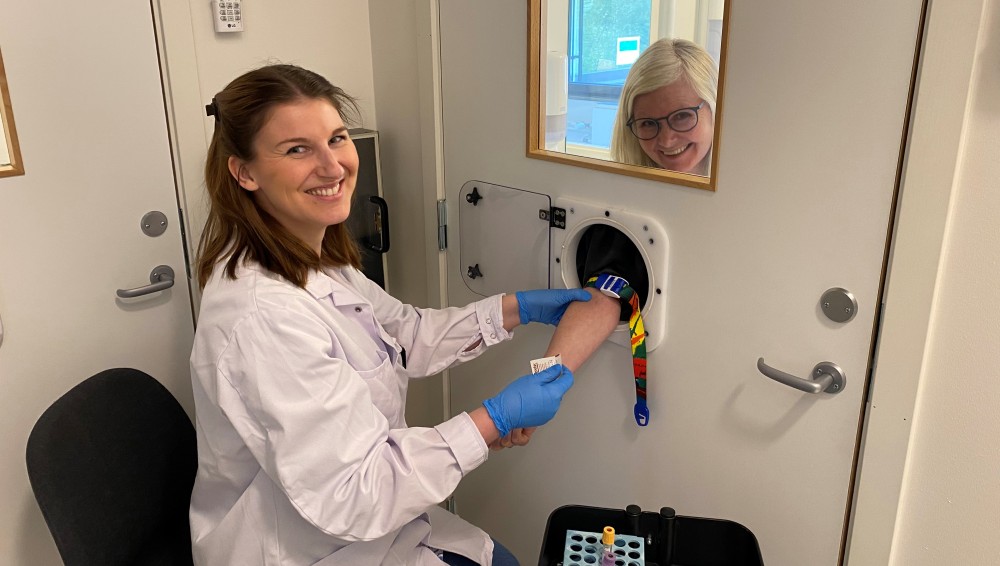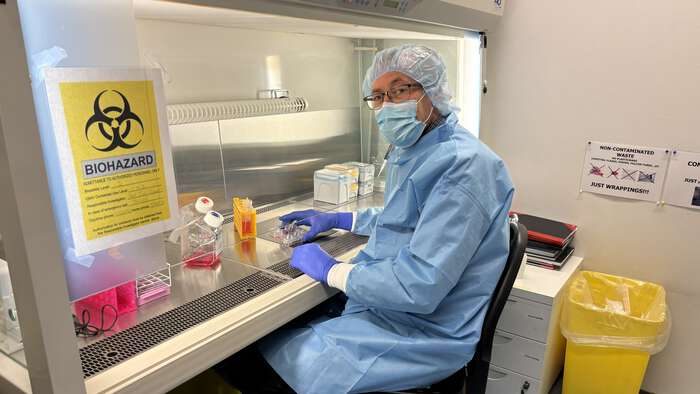
Cells from nine “super donors” are being collected in Oslo. The aim is for these to be used to repair or replace damaged cells, tissue and organs in people suffering from conditions ranging from heart attacks to Parkinson’s disease.
Research news
Growing adolescents who train heavily often do not understand how much food they need. The consequence can be injury.
Breastfeeding does not only affect your weight while you are breastfeeding. Women gain up to 6.5 kilos less on average later in life if they breastfeed for at least three months, according to a new study.
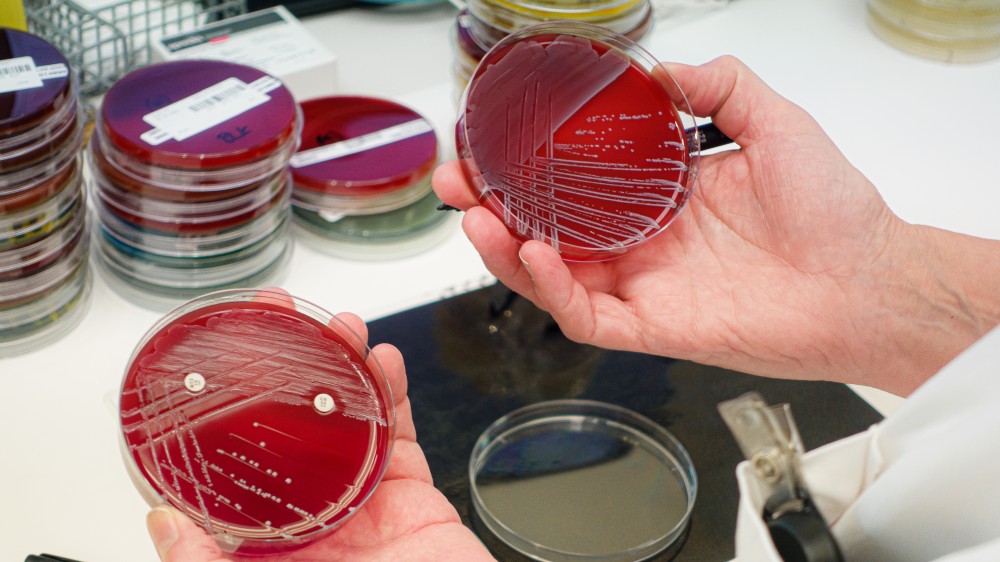
The bacterium E. coli is the most common cause of urinary tract infections and bloodstream infections. But in the search for vaccines, researchers have discovered that the bacteria are more resilient than they had thought.
Nerve cells in the brain are constantly bombarded with information from different senses simultaneously. How can the brain prioritise what is most important?
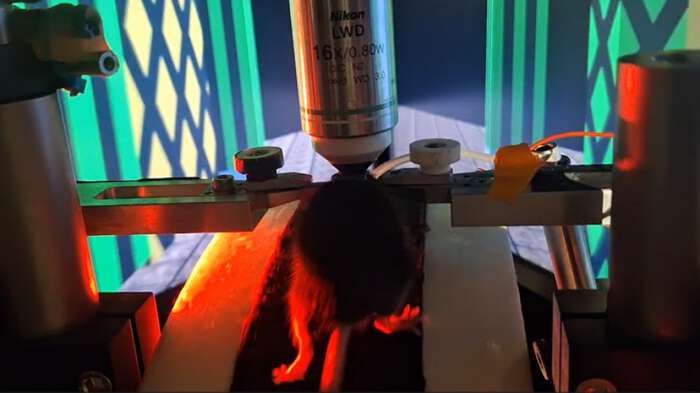
With a brain atlas, you can dive into the mouse brain digitally. Now it has become even more exciting than before. Researchers have developed a new brain atlas in 4D.
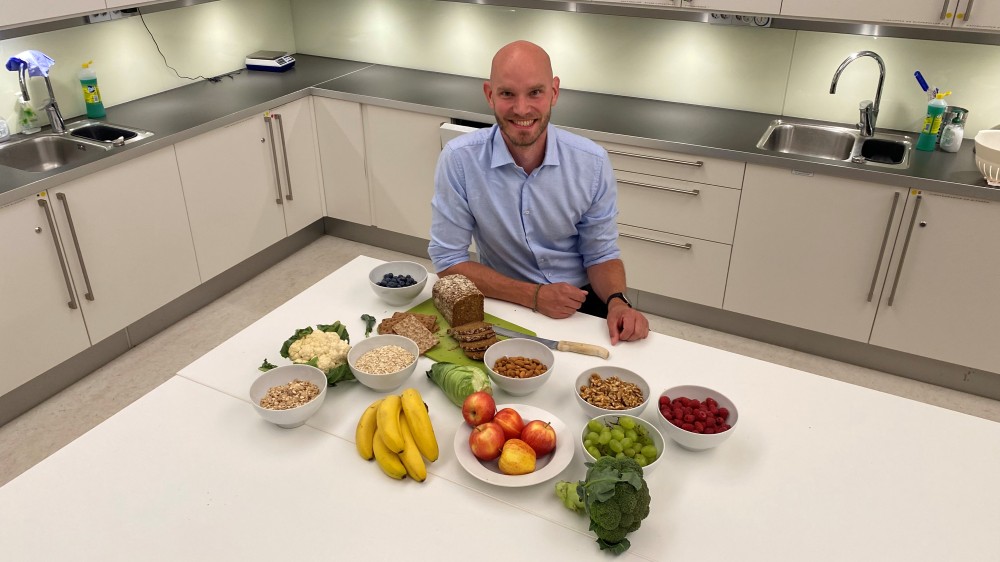
We eat more processed meat such as sausages and salami than in the other Nordic countries. For the first time, researchers have calculated the disease burden and years of life lost caused by an unhealthy diet.
Bacteria that often cause urinary infections can spread as rapidly as swine flu. But E. coli that are resistant to several classes of antibiotics behave differently.
Owwww, howls your child while holding its ear and crying. Recent findings can lead to the development of a vaccine to protect against a very common type of ear infection.
If you adopt a healthier lifestyle after bowel screening, it can lower your risk of both bowel cancer and other chronic diseases, a new study shows.
Over 1500 people in Norway have had a liver transplantation. But how can doctors know which patients need extra follow-up or additional treatment so that as many as possible can live a long life afterwards?
A new study reveals that individuals who enjoyed whole milk during the 1970s and early 1980s had a higher risk of mortality. However, beginning in the mid-1980s, a significant change occurred.
Researchers disconnected one type of nerve cell in the brain of mice while the animals rested after having learnt something new. This gave new answers to what actually happens when you remember earlier experiences for later use.
During recent years, the Section for Clinical Nutrition has published an impressive 300 articles and developed the foundation for Norway’s new dietary guidelines. Now they have reaped praise from the Research Council of Norway’s evaluation report.
In the future, ten million people may die every year from infections caused by bacteria that are resistant to antibiotics. New findings have discovered a possible “cure” that can be used to combat resistant E.coli bacteria.
When it comes to lung cancer, we know of more than 30 substances that are carcinogenic. But when researchers began investigating why there is a higher incidence of prostate cancer in firefighters, they had little to go on.
More people will be able to get a new liver. The main reasons for this are research on small carp fish from a pond in Bærum and an advanced machine at Norway’s National Hospital.
Certain intestinal bacteria are found more frequently in Norway than in a number of other countries and there is also a higher incidence of bladder cancer, bowel cancer and prostate cancer. These findings may lead to new opportunities for preventing these types of cancer, according to a new study.
Even though thin melanoma is increasing the most, the number of cases of thicker melanoma is also steadily on the rise, shows a large study of melanoma incidence in Norway since the 1980s. The thickness of the tumour is an important factor for the prognosis at the time of diagnosis.
The number of cases of meningitis and blood poisoning is decreasing, and this is clearly due to the inclusion, since 2006, of pneumococcal disease into the child immunisation programme.
Researchers at the Medical Faculty at the University of Oslo have helped to develop a new method which provides an overview of several antibiotic-resistant bacteria at the same time. This can be a major breakthrough in the fight to combat serious infections in hospitals.
Men who work offshore and have been in contact with asbestos in their working environment have a higher risk of developing pleural cancer.
Research shows that antibiotic-resistant strains of bacteria that are widespread in Norway, Great Britain and the United Stated have not taken a hold in Pakistan in spite of the extensive use of antibiotics in this region.
Do you have a craving for boiled potatoes for dinner? If so, you may live longer and reduce the risk of dying of heart disease.
An international meta study reveals that there may be less of certain mould toxins in organically grown grain, compared to grain grown in the conventional manner. This, and other findings from research into agricultural products, can have major consequences.