
Dementia is a widespread disease in Europe, and there is no treatment available for the disease, only medications that can delay its progression. Preventive measures are crucial, but dietary intake and risk for cognitive decline have been poorly studied. Therefore, we aim to explore this further. This valuable knowledge can help us provide better dietary advice to older individuals in the future, with the hope of reducing the occurrence of cognitive impairment that can lead to dementia.
What are we investigating?
The BOOMERANG project is a European research project with the University of Oslo as the host institution. We aim to investigate the effect of B vitamins and omega-3 on brain health through clinical, observational, and mechanistic studies. The goal of the project is to understand how these nutrients can impact nerve cells in the brain and brain function in older individuals. The project is divided between four work packages (WP).
WP1 New and exciting randomized controlled trials
Norway (lead) and Ireland
Using both new and existing randomized controlled trials (RCTs), we will investigate the effects of joint supplementation with B vitamins and omega-3 fatty acids in lysoPC form the BOOMERANG trial (a new 12-week RCT), or B vitamin supplementation only from the existing BrainHOP, OptiAge (2-y RCTs), and the interaction between B vitamin supplementation and omega-3 fatty acid biomarkers on brain health, DNA methylation, and histone deacetylation.
The specific objectives are to assess the effects of B vitamins (folate, B12, B6 and riboflavin), alone or in combination with omega-3 fatty acids, in older adults on
- Plasma neurofilament light chain (NfL) - a marker of brain atrophy (BOOMERANG).
- DNA methylation and histone deacetylation (BrainHOP, OptiAge).
- Rate of cognitive decline over 2 years (BrainHOP, OptiAge).
WP2 Cross-sectional studies
The Netherlands (lead), Ireland, Germany, and Norway
Using cross-sectional data from observational studies (TUDA, Tromsø 7, HUSK, NAKO, SALIA, DMS) and baseline data from existing RCTs (BrainHOP, OptiAge), we will assess the interactive effect of dietary intake and status (biomarkers) of B vitamins and omega-3 fatty acids on cognitive function and brain volumes in the general population and in pre-specified, vulnerable subgroups (e.g., sex and lower socioeconomic status) and the potential interaction on a genetic level (i.e., between the presence SNPs in B-vitamin and omega-3 fatty acid metabolism).
WP3 Longitudinal studies
Ireland (lead), The Netherlands, Germany, and Norway
Using longitudinal observational data (TUDA, NAKO, DMS, SALIA), we will assess the interactive effect of dietary intake and status (biomarkers) of B vitamins and omega-3 fatty acids on cognitive decline and brain atrophy rates over time in the general population and pre-specified, vulnerable subgroups, and the potential interaction on a genetic level (i.e., between the presence SNPs in B vitamin and omega-3 fatty acid metabolism).
WP4 Mechanistic study
Germany (lead) and Norway
Mechanistic studies to assess the effect of joint supplementation of B vitamins and omega-3s on:
- pathophysiological neuronal aging in vitro (cellular markers) in mammalian neuronal cells and in vivo (behavioral changes) in the nematode C. elegans
- epigenetic (DNA methylation and histone deacetylation patterns) and metabolic (mitochondria and lipid homeostasis) changes in vitro and in vivo
- specific genetic background (risk groups)
Who are our partners in Europe?
BOOMERANG is a European collaborative project with several partners:
- University of Oslo (Host Institution), Norway
- Maastricht University, The Netherlands
- Trinity College Dublin, Ireland
- Heinrich Heine University Düsseldorf, Germany
- Ulster University, United Kingdom
- Aker BioMarine
University of Oslo
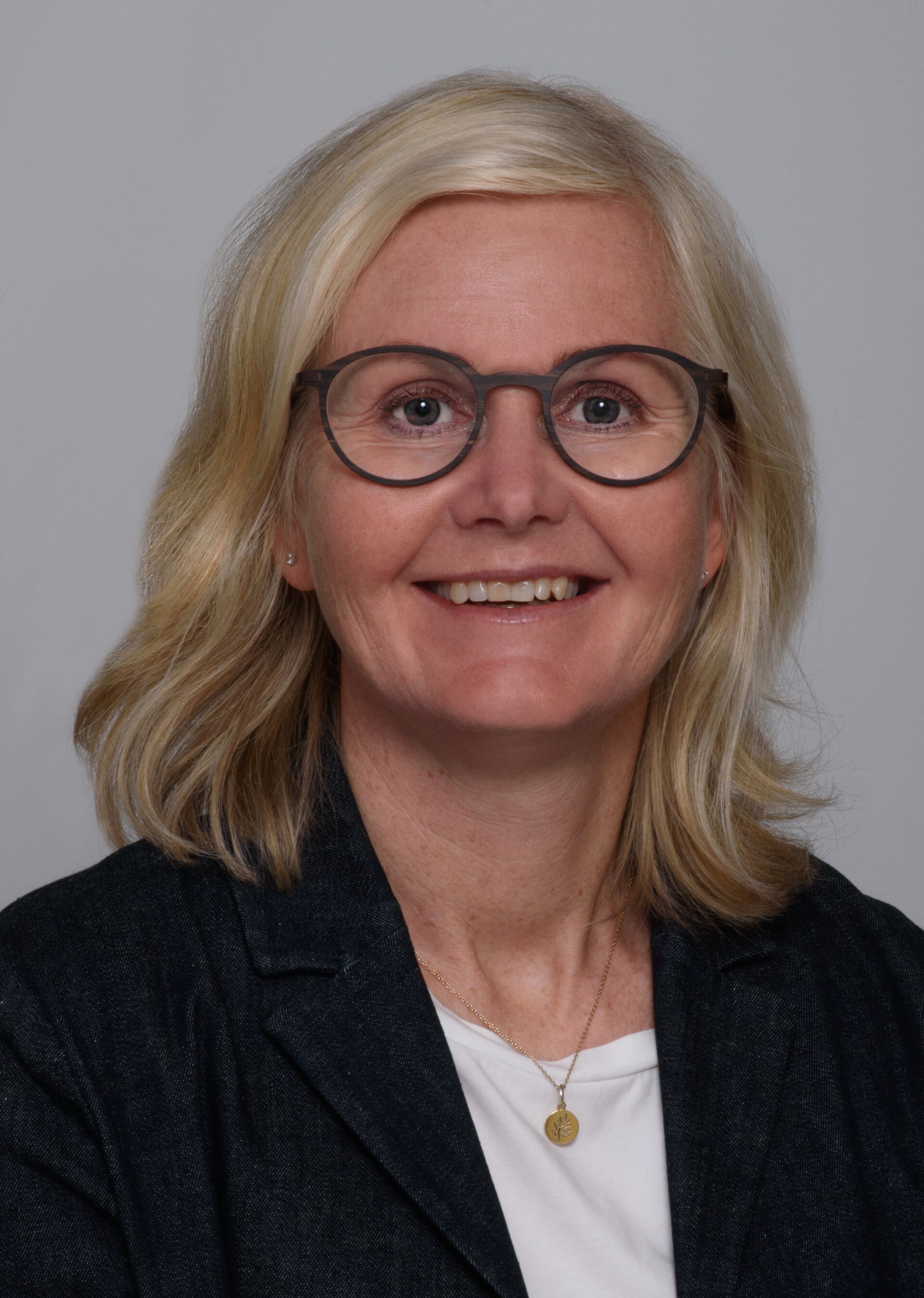
Stine Ulven, professor and head of Department of nutrition, Institute of Basic Medical Sciences, Faculty of Medicine is trained in molecular nutrition and specialized in the role of lipids in regulation of genes in lipid metabolism. She has more than 20 years experience with performing human dietary intervention studies to better understand the role of healthy diet and dietary fat in prevention of cardiometabolic diseases and to promote healthy ageing. She applies transcriptomics and metabolomics to get a comprehensive understanding how diet influences biological processes in humans. Her role in BOOMERANG is to coordinate the project and leading WP1.
Tahreem G. Siddiqui is a post-doctoral researcher Department of nutrition, Division of Clinical nutrition. Her background is in psychology and neuroscience. She has 10 years of experience with topics related to cognitive function and medication overuse in hospitalized older adults. She has previously worked on projects related to interventions and implementation for older adults in primary care. In addition, she has an interest in communication research focusing on communication between older patients and health care professionals. Her other research interests are in the fields of healthy ageing, epidemiology, addictions, neuropsychology, randomized control trials, intervention development, evaluation and implementation, quantitative and qualitative methods.
She is working as post-doctoral researcher for the RCT in the BOOMERANG project, WP1.
Monica Carlsen, Professor at the Department of nutrition, Division of Nutrition epidemiology, has 25 years’ experience in dietary research, food composition and methodology. She has led several projects in the fields of diet and health, including assessment methods development, food composition methods development, and nutritional epidemiology. Her role in BOOMERANG is as a project partner in WPs 2and 3.
Kirsten Holven, Professor at the Department of nutrition, Division of Clinical nutrition
Her main expertise is within cardiometabolic diseases with focus on prevention of cardiometabolic health and lipid management through both dietary and medical intervention. Her research focus is on dietary intervention studies focusing mainly on studies investigating the effect of dietary fat quality on plasma lipids and understanding underlying mechanisms. Another research focus is relating to patients with FH with particular focus on women`s health issues focusing on women with FH, pregnancy and breastfeeding. Her role in BOOMERANG is to be involved in WP1, contributing with her expertise in design and implementation of the randomized controlled trial
Kjetil Retterstøl, Professor at the Department of nutrition, Division of Clinical nutrition
Frode Norheim, Professor at the Department of nutrition, Division of Molecular nutrition, has focused his research on the genetic regulation of diet induced metabolic diseases and on the health benefits of exercise physiology. He has used in vivo and in vitro models to study how diet and genes impacts chronic diseases fatty liver disease, insulin resistance and obesity. My role in BOOMERANG is to contribute with genetic knowledge in WP1-3.
Hilde Nilsen, Researcher at the Department of Microbiology, Institute of Clinical Medicine. In her laboratory, they use murine models to further understand the functional roles of UNG and SMUG1 in genome maintenance. Her group also uses C. elegans to be able to effectively study DNA repair in a life-course perspective. They demonstrated that NAD+ augmentation can be a useful intervention in cell and animal models of accelerated aging diseases cases by defects in DNA repair, including Ataxia telangiectasia. In BOOMERANG she will analyze omics data.
Maastricht University, The Netherlands

Marleen van Greevenbroek, Associate Professor, is a medical biologist and epidemiologist. She has been involved in studies on the metabolic and genetic aspects of obesity and cardiometabolic diseases. Her main area of research is the identification of early events in the development of insulin resistance, type 2 diabetes, and cardiovascular disease. In recent years, her research activities have specifically focused on the role of the complement system herein. This research encompasses both cohort studies and experimental work. She is the lead for WP2 in BOOMERANG.
Simone Eussen, Associate Professor, is a nutritional epidemiologist, and her research focuses on the role of nutrition and underlying metabolic and molecular processes in the aetiology of common chronic diseases. She has built a strong track record on B-vitamins, related molecular one-carbon and kynurenine pathways, and chronic diseases. Her current work involves the study of dietary quality (at the nutrient and bioactive compound, food group, and dietary patterns level) in relation to chronic disease, including type 2 diabetes mellitus, cardiovascular diseases and mental disorders.
Sebastian Köhler is a Professor of Neuroepidemiology at the Mental Health and Neuroscience Research Institute and leads the research line 'Risk and Prevention' of the Alzheimer Centre Limburg, both at Maastricht University. He conducts studies ranging from epidemiological studies on risk and protective factors for cognitive decline and dementia to lifestyle-based intervention and implementation studies at the individual as well as population level.
Lotte Truin is a post-doctoral researcher in WP2 and did her PhD in neuroepidemiology at the Mental Health and Neuroscience Research Institute and Alzheimer Centre Limburg where she looked into modifiable risk and protective factors for cognitive decline and dementia in people with existing subjective cognitive decline and mild cognitive impairment. She also has experience in developing eHealth tools for dementia risk reduction in memory clinics.
Trinity College Dublin, Ireland
.png)
Maria O’Sullivan, Associate Professor in Human Nutrition at Trinity College Dublin, with 25+ years of experience. She is the Deputy Director of BSc in Human Nutrition and Dietetics, and a Principal Investigator in nutrition and ageing, with a focus on health inequality. Prof. O’Sullivan has extensive experience in RCTs, large datasets (e.g. TILDA, ELSA, HSE) and real-world data, relating to vitamin D, sarcopenia, cognition, frailty and socioeconomic disadvantage. In BOOMERANG, she will work with the data-driven WPs, and leading WP3, primarily, with the TUDA study, in partnership with the University of Ulster, Trinity Investigators and the wider team.
Lynsey Montgomery is a post-doctoral researcher and focusses on the data-driven studies of longitudinal and cross-sectional nutrition studies in BOOERANG. In particular, working with the TUDA study, a comprehensive dataset of over 5,000 older adults in Ireland, in collaboration with the University of Ulster team and Trinity Investigators. She brings strong skills and experience in B-vitamins and omega-3’s in brain health to the project, and is a valuable addition to the team.
Anne Molloy, Fellow Emeritus, Clinical Medicine/Biochemistry. As Principal Investigator of the Vitamin Research Laboratory in Trinity, her research has been to understand the molecular, clinical, nutritional and genomic impact of cellular metabolic pathways that rely on key micronutrients. One particular area of expertise involves links between B-vitamins and risk of chronic disease in older adults including cognition and cardiovascular disease.
Conal Cunningham, Professor in Medical Gerontology has been working as a consultant geriatrician in St. James’s Hospital since October 2000. He is currently the Clinical Director of the Medicine for the Elderly Directorate and the Co-Director of the Falls and Syncope Unit in St. James’s Hospital. He is a Clinical Associate Professor in the Department of Gerontology, Trinity College Dublin. His clinical and research interests include Falls, dementia, stroke, Parkinson’s disease and rehabilitation. He will work in WP2 and WP3.
Kevin McCarroll, is a Clinical Senior Lecturer and Consultant Physician/Geriatrician at St James’s Hospital, Dublin, where he is Clinical Lead of the Bone Health Unit—the largest facility of its kind in Ireland. His research focuses on bone health and osteoporosis, including studies of secondary hyperparathyroidism and its impact on bone mineral density, and he has made substantial contributions to vitamin D research in Ireland. As a co‑investigator in the TUDA cohort, he will contribute clinical and bone‑health expertise to BOOMERANG, supporting WP2 and WP3.
Heinrich Heine University Düsseldorf
.png)
Natascia Ventura, MD, PhD, Habilit, and Principal investigator, will coordinate the mechanistic studies (WP4). She will supervise the in vivo work in C. elegans and, in close cooperation with Prof. Hilde Nilsen's laboratory, will help carrying out validation studies in mammalian cells and to generate novel mechanistic hypothesis from causality integration modeling of pre-existing multi-omics data.
Kai Kremers, PhD student, will carry out the in vivo biochemical, molecular and behavioral work in C. elegans and carry out some of the work in mammalian cells. He will visit Prof. Hilde Nilsen's laboratory to validate some of the C. elegans findings in mammalian cells.
Prof. Tamara Schikowski, MPH, and Principal investigator, is involved in analyzing data collected from cross-sectional (WP2) and longitudinal (WP3) studies in the NAKO and SALIA cohorts. She will supervise a Master's student in carrying out a meta-analysis alongside other partners and EU cohorts, with the aim of revealing gene-diet interaction effects.
Ulster University
.png)
Prof Helene McNulty, PhD, RD, MRIA, Director of the Nutrition Innovation Centre for Food and Health (NICHE) and Professor of Human Nutrition & Dietetics at Ulster University, Coleraine, Northern Ireland. Her research advances understanding of nutrition-related health across the life course, with particular expertise in micronutrients—especially folate and metabolically related B vitamins. She is Principal Investigator of the TUDA cohort, a unique resource for ageing research. In BOOMERANG she will contribute expertise on B vitamins and brain health and leverage TUDA data and the OptiAge and BrainHop RCTs.
Professor Mary Ward is a registered dietitian and Professor of Nutrition and Dietetics at Ulster University. Her research focuses on B-vitamins, their role in disease prevention across the lifespan, and the mechanisms linking poor status with adverse health outcomes. She is also concerned with the nutrition and health impacts of transitioning towards more sustainable diets and co-leads the Nutrition and Health platform, focused on building a sustainable food system across Ireland. As an original co-investigator of the TUDA study, she brings extensive experience to BOOMERANG of conducting studies on B-vitamins in cognitive and bone health, and cardiovascular disease in ageing.
Dr. Leane Hoey is a lecturer in Food and Nutrition within the school of Biomedical Sciences at Ulster University. Her research focuses on the role of nutrition, particularly B-vitamins (folate, B12, B6, riboflavin) and one-carbon metabolism, in healthy ageing, and how socioeconomic and genetic factors and the gut microbiota modify these relationships. She has extensive experience in observational studies and controlled dietary interventions and is gatekeeper and joint coordinator of the TUDA cohort. In BOOMERANG she will support WPs 1–3, oversee TUDA data sharing and contribute to dissemination.
Dr. Cathrine Hughes is a Senior Lecturer in Public Health Nutrition and Associate Research Group leader of the Nutrition Innovation Centre for Food and Health (NICHE) at Ulster University. Catherine is a Registered Nutritionist (RNutr, Public Health). Her research focuses on the impact of nutrition on healthy ageing and the prevention of chronic disease, particularly in relation to the ageing brain and Parkinson's disease. As co‑coordinator of the TUDA study, which includes longitudinal data and the BrainHop and OptiAge RCTs, she will contribute to WPs 1–3 in BOOMERANG by providing TUDA expertise and ageing‑research leadership.
Dr. Michelle Clements, PhD, is a Research Associate at the Nutrition Innovation Centre for Food and Health, Ulster University. Her doctoral work investigated the role of B‑vitamins and folate in bone mineral density and osteoporosis prevention in older adults. She now works on multiple projects exploring folate and B‑vitamins in human health, and manages human intervention trials, ethics, dietary assessment and laboratory analyses. In BOOMERANG she will support WP1 (BrainHop and OptiAge) and WPs 2–3 (TUDA), ensuring trial management and data generation.
Dr. Shane Gordon completed his PhD at the Nutrition Innovation Centre for Food and Health (NICHE), Ulster University. His research investigates nutrition—particularly folate and metabolically related B‑vitamins—in the prevention of neurodegenerative diseases such as Alzheimer’s. He has extended his work to Parkinson’s disease, focusing on the gut–brain axis and gastrointestinal symptom management, and explores genetics, cognition in older adults, and the use of AI to model complex relationships. In BOOMERANG he will contribute to WP2 (TUDA study) and WP3 (TUDA follow‑up).
Aker BioMarine
.png)
Line Johnsen, PhD in biochemistry, is Senior Vice President of R&D at Aker BioMarine Human Ingredients. Aker BioMarine is a biotechnology innovator and a global leader in marine-based ingredients for human health. At Aker BioMarine, her team is responsible for product development, regulatory affairs, in vitro studies, preclinical research, and clinical trials, with a focus on investigating the health potential of marine-based products, particularly those derived from krill. Aker BioMarine is a partner in the project, and Line Johnsen serves on the project’s steering committee.
Contact
Contact us via email at: boomerang-studien@medisin.uio.no
Project leader: Stine Ulven, Professor, PhD, smulven@medisin.uio.no



.png)



.jpg)