Results from a comprehensive Norwegian study provide reason for optimism. More patients with Crohn's disease now experience a milder illness compared to previous years, and fewer require surgery.

Research news - Page 2
Can research into a rare, accelerated ageing disease and "zombie cells" teach us something about the normal ageing process?
Mononucleosis is a very common infection among youth. Now, researchers believe that if we can stop the virus behind the infection, we can significantly reduce the probability of developing the severe liver disease PSC.
The technology focuses on the delivery of subunit vaccines via mucosal surfaces, such as via a nasal spray. A recent study reports that the vaccine technology provides robust protection against infections with the coronavirus and influenza virus.
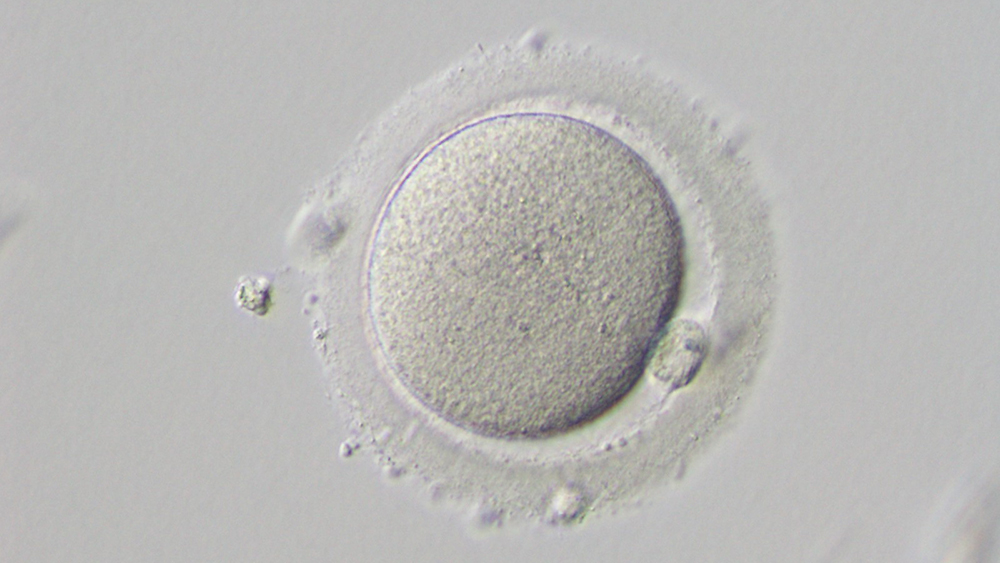
Researchers at the Centre for Embryology and Healthy Development (CRESCO) aim to find out why so many early embryos fail in their development. New insights into how maternal and paternal DNA is replicated during the initial stages of pregnancy are contributing pieces to the puzzle.
An increasing number of individuals experience discomfort in the gut or are being diagnosed with intestinal conditions such as coeliac disease and inflammatory bowel disease (IBD). Scientists have now mapped the cells in the gut as part of The Human Cell Atlas project, revealing several new findings.
In the largest study conducted to date on the genetics of bipolar disorder, researchers have identified 36 genes linked to the condition. This marks a significant step toward understanding the genetic factors behind bipolar disorder, which could lead to improved diagnosis and treatment in the future.
There is still much we do not know about Primary Sclerosing Cholangitis (PSC). New research provides another piece in the scientific puzzle.
The incidence of HIV and other STIs among people aged 60 to 89 years is increasing in some regions of the world. More awareness about the issue, stigma reduction and preventive measures are needed, according to a new Lancet Healthy Longevity study.
New research from NORMENT finds that people with schizophrenia have a genetic propensity to smoking and a reduced genetic risk of obesity. The study highlight the importance of including lifestyle interventions in treatment for schizophrenia.
Norwegian researchers have previously demonstrated an association between diabetes and virus infection. New research shows that, among children with type 1 diabetes, treatment with antiviral drugs could help preserve insulin levels. The result shows that it is possible to slow down and eventually prevent type 1 diabetes.
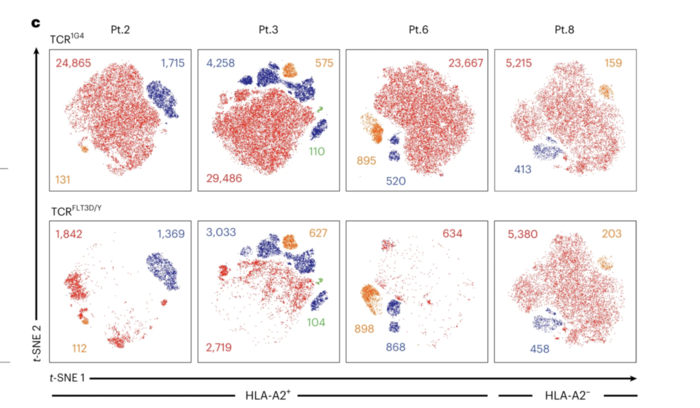
Researchers have identified a novel immunotherapy for acute myeloid leukemia (AML). Immune cells are programmed to recognize a mutation found in leukemia patients. The results provide hope for new and effective treatment for the most common form of leukemia in adults.
Rapid diagnosis and treatment are crucial in the fight against tuberculosis. But today's testing methods are not good enough. Tests based on blood biomarkers may be the solution.
A new study indicates that some individuals are more prone to both using cannabis and developing mental disorders, such as schizophrenia and bipolar disorder, than others.
In research, things do not always go according to plan. Sometimes that leads to new discoveries.
Patients who have been hospitalised with severe COVID-19 have permanent changes in their cholesterol 3 months after recovery, according to a new study. This can increase their risk of developing heart disease later in life.
Imagine not being able to stay outdoors during winter. Or having to put on gloves to open the fridge. New knowledge and better treatment give hope to people who suffer from a rare cold disease.
The torpedoes reside in specific cells of the innate immune system. These cells could be the next breakthrough in cancer treatment.
New research on roundworms demonstrates that it may be possible to slow down the aging process.
The health and level of functioning of older adults with cancer varies. A comprehensive assessment of the patient's needs in advance of cancer treatment can improve treatment and lead to more treatment choices for the patients.
Almost half of all patients with heart failure have an "unknown" type. Researchers at the University of Oslo have studied whether biomarkers can provide better opportunities for diagnosis.
Some patients get a serious infection in the eye after eye surgery. The risk of becoming blind is high without prompt treatment. A new approach to diagnostics and treatment can help save patients’ vision.
Higher prison security level is linked to greater risk of dying after release. Preventive measures can reduce the mortality rate.
It appears unnecessary to perform surgery on patients who have the mild variant of the disease PHPT, where the level of calcium in the blood is only slightly higher than usual.
How many cups of coffee you drink when you are pregnant does not seem to negatively affect the weight of the baby, whether it is born prematurely, or your risk of miscarriage or stillbirth.