In medicine and public health, a common practice is to distribute in ways seen as fair not only improved personal outcomes but improved personal chances as well.
Treatment is provided to infected patients, not only prevention of infection, even when the latter would remain more cost effective at the margin, and using a finite budget solely for prevention would save more lives. Patients whose chances are especially dire get prioritized for organ transplants and for medicines and vaccines in short supply, even when others would secure a larger benefit from these resources. During surges, intensive care has been allocated by lottery.
One philosophical justification of these practices is that the proper metric or currency of distributive justice in health includes not only personal outcomes (e.g. how long and healthy a patient’s life is) but also personal chances (e.g. the person’s life expectancy and expected health-related quality of life). This philosophical justification has come to be called “Fair Chances”. My lecture will argue against Fair Chances, and for stricter focus on improved personal outcomes as the metric of distributive justice in health.
Bio:
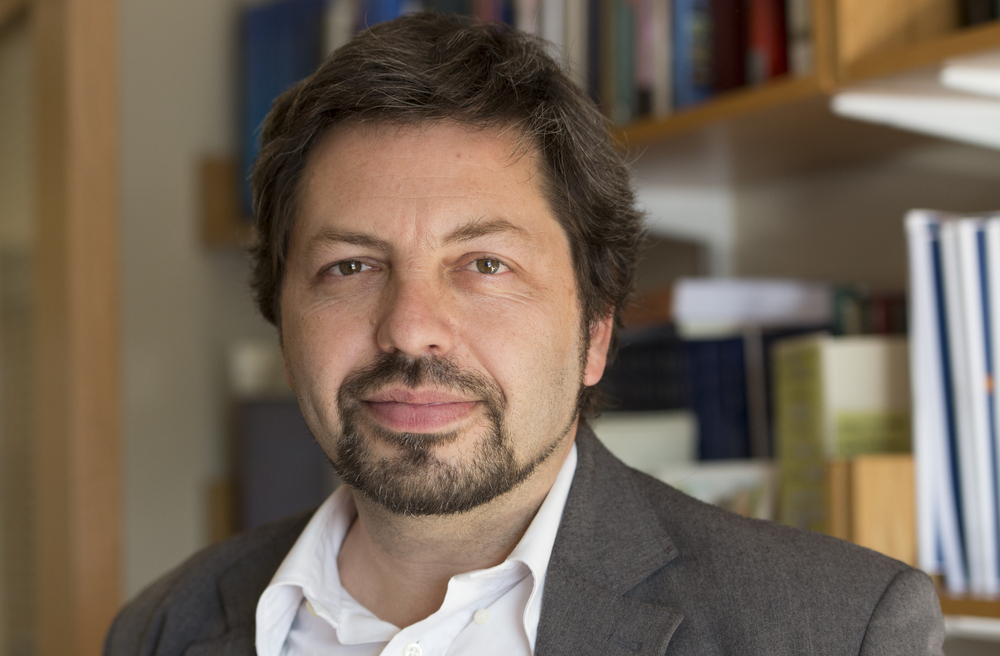
Nir Eyal is the inaugural Henry Rutgers Professor of Bioethics and inaugural Dr. and Mrs. Stanley S. Bergen Professor of Bioethics at Rutgers University.
His appointments are at the School of Public Health, the Institute for Health and the Department of Philosophy. Dr. Eyal’s work covers many areas of research ethics and population-level bioethics. It appeared in Science, PNAS, NEJM, Lancet, BMJ, JID, and the leading bioethics venues. He co-edited many volumes and journal symposia, as well as Oxford University Press’s series “Population-Level Bioethics”.
Eyal is the recipient of multiple awards from NIH, NSF, Wellcome, Open Philanthropy, Longview, and other sources. He founded and, between 2019-2024, directed Rutgers’s Center for Population-Level Bioethics. Before Rutgers, Eyal worked at the Harvard T. H. Chan School of Public Health and Harvard Medical School. Earlier he received training at Princeton, NIH, Oxford, Hebrew U, and Tel Aviv U.